



Brave Ideas Season 17, Episode 6
Presented by

Learn how Flexspace AI is transforming coworking with their ecommerce revenue platform, featuring SmartPricing Agent, an AI-powered dynamic pricing engine. Tap here
Customer First, Spreadsheet Second
Roy explains why Tradestars reversed the traditional real estate process, starting with what founders and business owners actually need, then working back to the spreadsheet, instead of beginning with NIA, GIA, and rent maximisation.
In this episode of Brave Ideas, Caleb Parker and cohost Eyal Lasker , CEO at Flexspace AI, are joined by Roy Shaby, Founder and CEO of Tradestars, for a conversation on how social commerce is creating a new category of workspace demand.
Roy has one of the most entrepreneurial stories of the season.
He started with a sushi delivery business run out of a rented kebab shop kitchen, turned that into one of London’s early dark kitchen businesses, then went on to cofound FoodStars, which was later acquired by Travis Kalanick’s (former Uber Founder/CEO) CloudKitchens business.
Today, he is applying that same entrepreneurial lens to real estate through Tradestars.
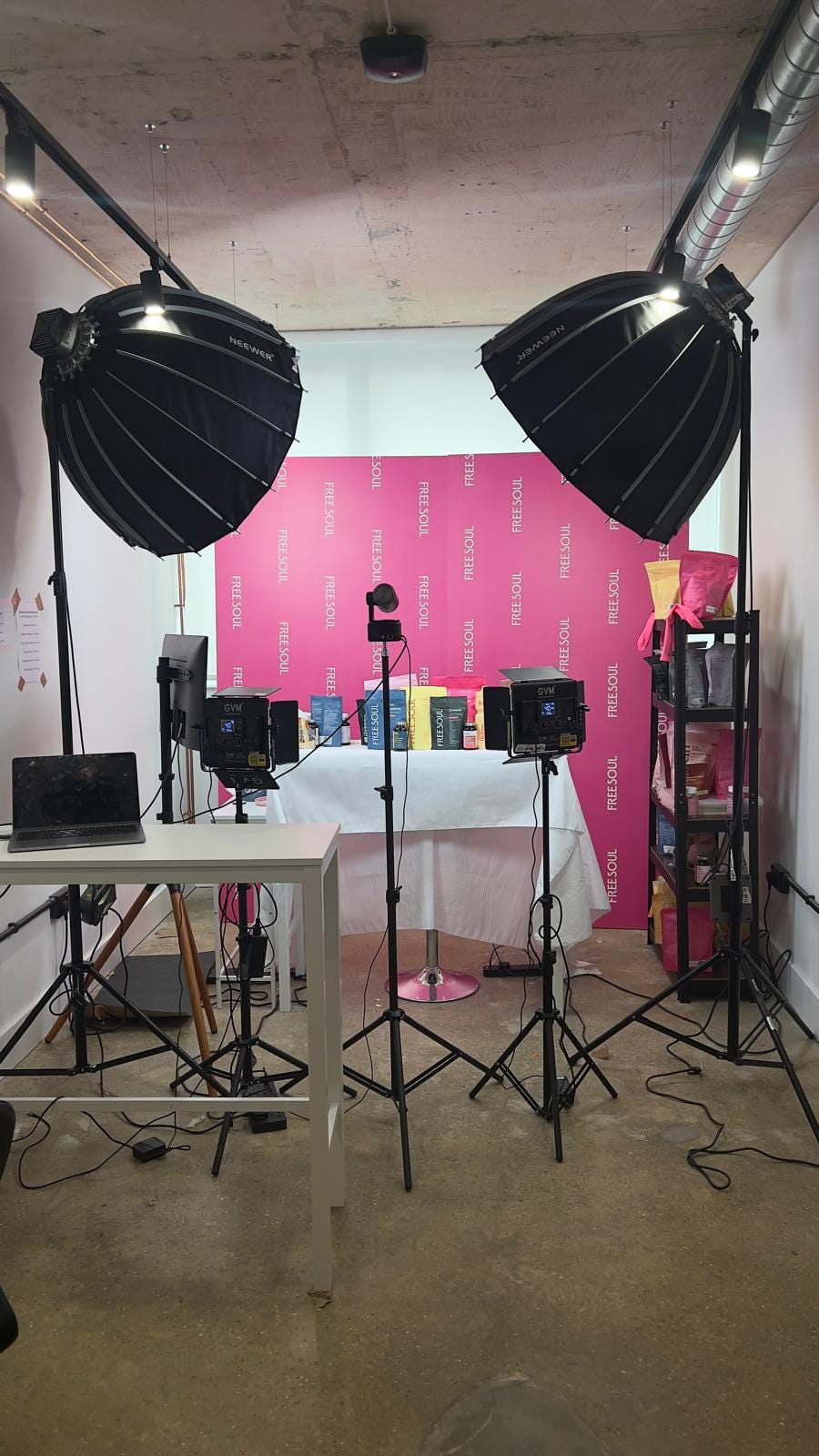
Tradestars provides offline space for online businesses, from TikTok sellers and social commerce brands to barbers, tattoo artists, beauty entrepreneurs, production companies, and digital first operators. These are not traditional office occupiers, but they are not traditional retailers either. They no longer rely on retail footfall, but still need functional, social media ready, brandable space shaped around content, community, logistics, production, client experience, and online customer acquisition.
Caleb, Roy, and Eyal unpack how Tradestars turns distressed and underused buildings into operational hubs for the TikTok economy. Instead of starting with a spreadsheet and forcing customers into the asset, Roy explains how Tradestars starts with the end user, then reverse engineers the real estate model around how those businesses actually operate.
They also discuss development costs, occupancy, churn, retention, customer acquisition, community, data, and why the rise of social commerce could become a meaningful force in the future of workspace.
Listen to the full episode to hear how Tradestars built workspace for the TikTok economy, and what landlords, investors, and operators can learn from a model that sits somewhere between coworking, light industrial, retail, production, and hospitality.
🎧 To listen as a podcast FOR FREE switch to audio above,
or follow Brave Ideas on Apple, Spotify, or wherever you listen.
What You’ll Learn in This Episode
How Roy went from running a sushi delivery business out of a kebab shop kitchen to building one of London’s early dark kitchen businesses
Why FoodStars became an early dark kitchen platform before “dark kitchens” were even a widely used term
How the FoodStars journey led to an acquisition by Travis Kalanick’s CloudKitchens
Why Tradestars was created for online entrepreneurs who still need high-quality offline operational space
How TikTok sellers, barbers, tattoo artists, beauty entrepreneurs, and production companies are changing the demand profile for real estate
Why social commerce businesses need workspace that supports content, logistics, client experience, and brand presentation
How Tradestars starts with the end user first, then reverse engineers the real estate model around that customer
How distressed and underused buildings can be repositioned into high-energy operational hubs
Why product quality matters, and how Tradestars claims to reduce development cost without compromising the customer experience
How Tradestars thinks about occupancy, churn, retention, and customer growth
Why community is not just a soft benefit, but a driver of stickiness and collaboration
How data science, CRM analysis, and marketing performance shape customer acquisition
Why the TikTok economy could become a serious demand driver for new workspace formats
Key Takeaways for Operators
The TikTok economy still needs physical space.
Digital first businesses may acquire customers online, but many still need studios, production space, treatment rooms, logistics support, meeting rooms, and professional environments where they can serve clients and create content.Start with the customer, not the spreadsheet.
Roy makes a direct point that Tradestars reversed the traditional real estate process. Instead of starting with net internal area, gross area, and rent maximisation, the model began with what the entrepreneur actually needs, then worked back to the underwriting.Different entrepreneurs need different workspace products.
Tradestars is not traditional coworking, but many of the same Space as a Service principles apply. Members get private studios, shared amenities, hospitality, meeting rooms, podcast facilities, logistics support, and a professional front-of-house experience.Product quality is part of the commercial model.
Tradestars has not treated design, lighting, toilets, common areas, and studio infrastructure as cosmetic extras. These details help members bring their own clients into the building, build their own brands, and justify staying.Retention is built through flexibility.
Roy discusses how Tradestars works with members when they need to grow, shrink, or adjust. That flexibility helps maintain relationships, even when member circumstances change.Community becomes real when members trade with each other.
The strongest signal is not just people attending events, it is when tattoo artists, TikTok sellers, barbers, production companies, and beauty entrepreneurs begin collaborating because they are in the same ecosystem.Churn needs to be interrogated, not accepted.
Roy personally conducts exit interviews with many departing members to understand whether they are leaving because of financial pressure, growth, service issues, or a better alternative. That is operational discipline.
Key Takeaways for Real Estate Investors and Landlords
Social commerce is creating new real estate demand.
TikTok sellers, creator-led brands, beauty operators, and digital first product businesses may not need high street retail in the traditional sense, but they still need physical infrastructure. That demand does not always fit neatly into office, retail, or industrial categories.Distressed buildings need demand-led repositioning.
Tradestars has taken buildings that were struggling, underused, or dilapidated, then repositioned them around a specific customer segment with clear operational needs.The future of workspace may not look like traditional office demand.
The customers using Tradestars are not simply looking for desks. They need operational space that supports selling, filming, treating clients, storing products, receiving visitors, and presenting their brands.Diversified income can reduce concentration risk.
By dividing buildings into many studios rather than relying on a small number of large occupiers, Tradestars creates a more diversified member base. That can reduce the impact of any single member leaving.CapEx discipline can create pricing advantage.
Roy explains that Tradestars goes directly to overseas manufacturers and suppliers to reduce development costs. The claim is that this allows the business to maintain product quality while building below typical market cost.Operational real estate value is created through income, not just asset appreciation.
The model is about increasing the income a building can generate by changing the use case, customer base, product design, and operating model.Brand and experience can support valuation.
Tradestars is not just renting space. It is building a recognisable platform for modern entrepreneurs. If that brand creates pricing power, retention, and repeatable demand, it becomes part of the investment logic.
Behind The Scenes
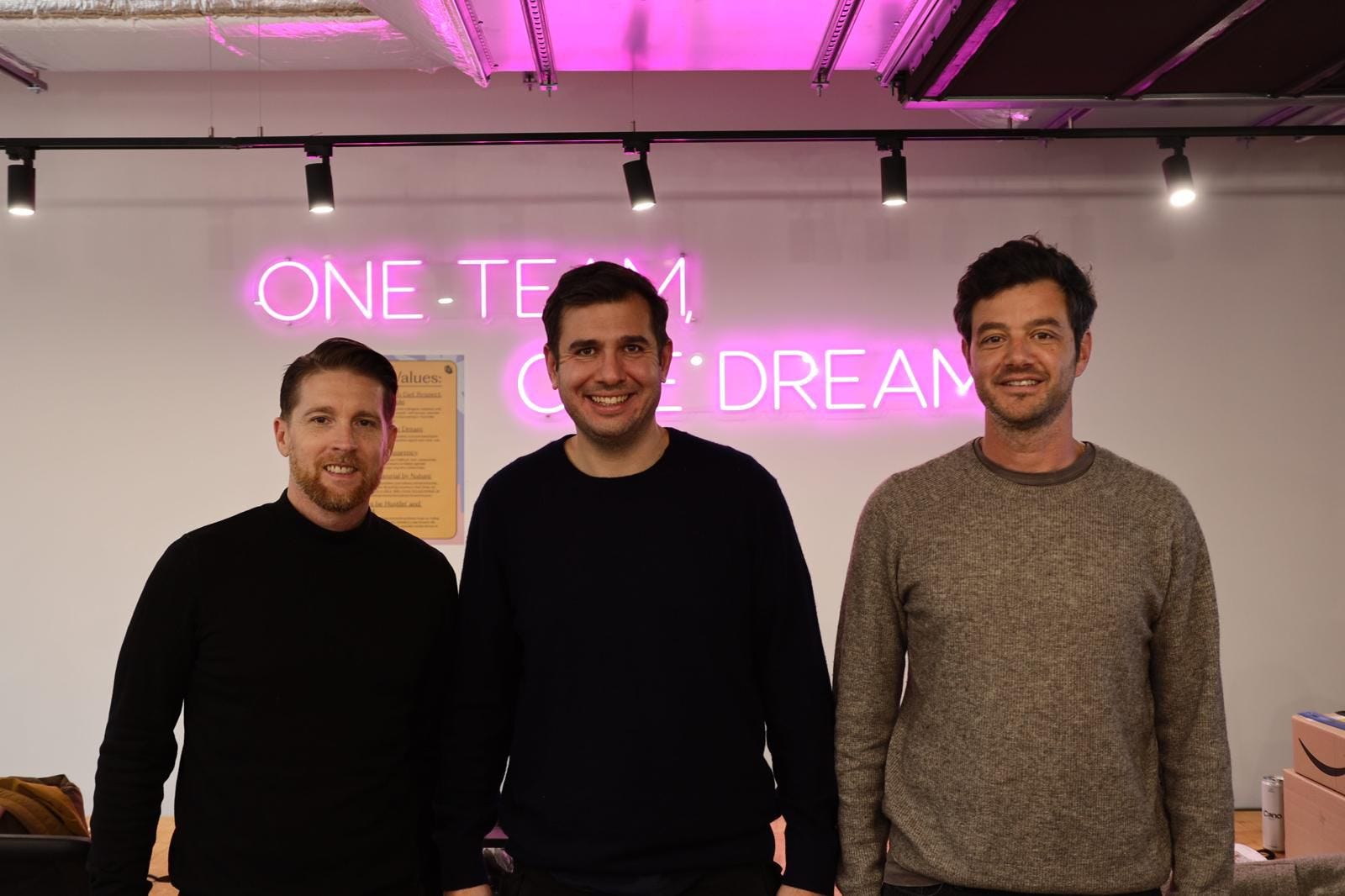
This episode was recorded at Tradestars on Caledonian Road, where Caleb and Eyal toured the building before sitting down with Roy.


Season 17 of Brave Ideas explores one of the most important questions in office real estate today, how to build a more profitable flex business. Across the season, Caleb Parker speaks with industry leaders about the real commercial drivers behind Space-as-a-Service.


