Brave Ideas Season 16, Episode 10

Explore how Mute is leading the adaptable office architecture evolution, offering modular solutions to futureproof office investments while significantly reducing construction costs and CO₂ emissions. Tap here
Avoiding Risk Inequity
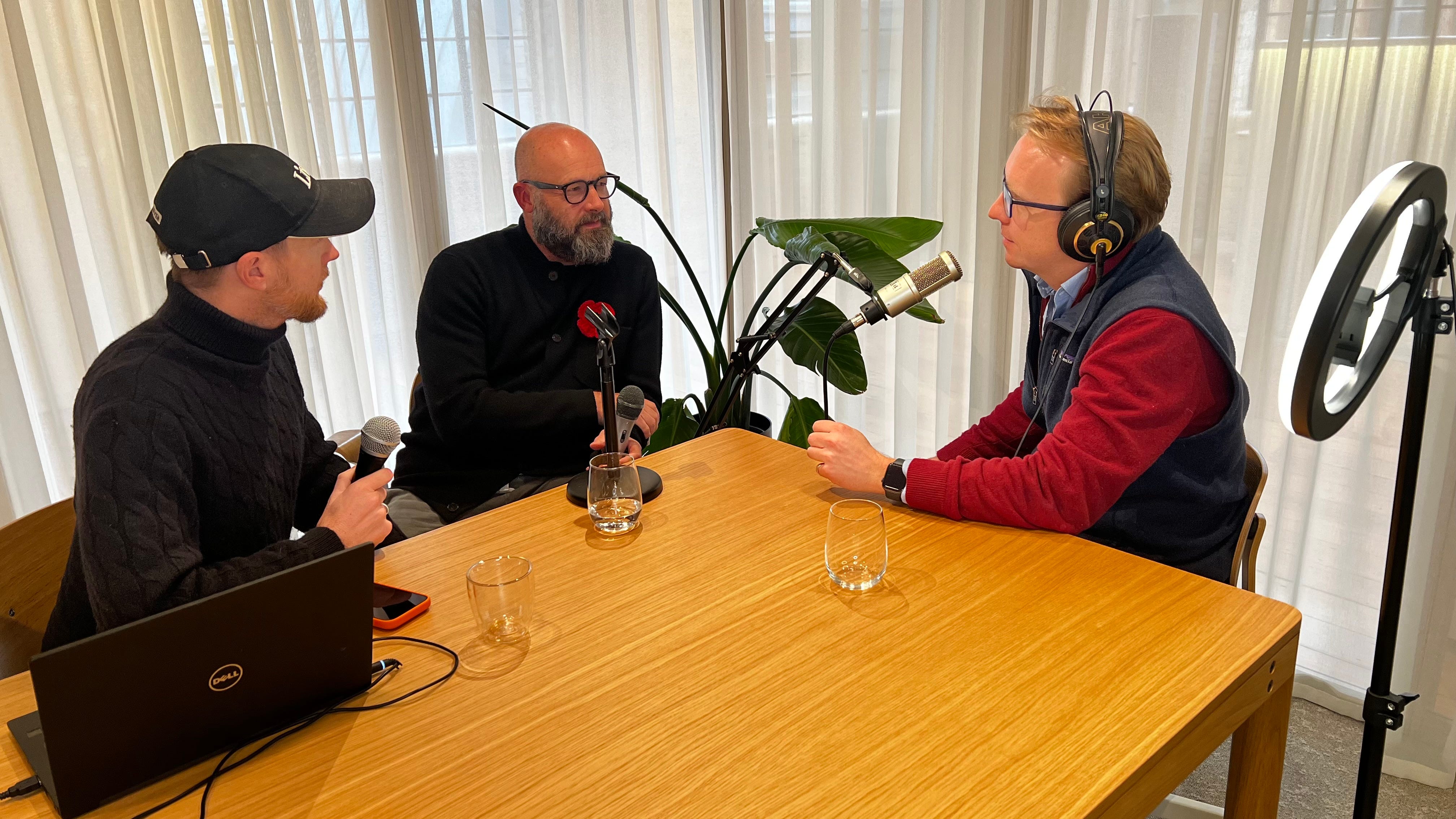
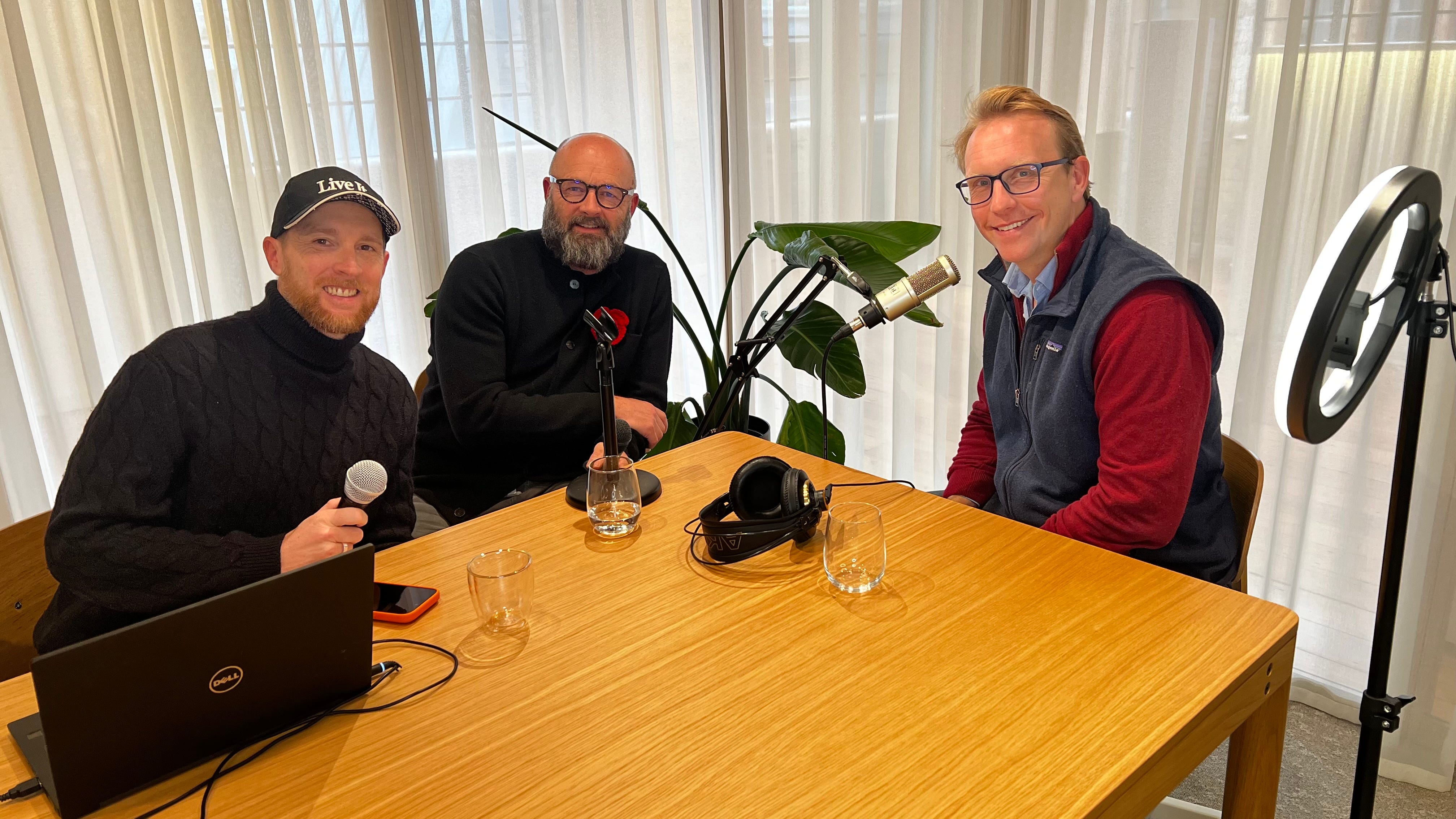
In this episode, Brave Corp CEO, Caleb Parker, and co-host Gary Helm from MUTE sits down with x+why CEO & Cofounder, Rupert Dean, inside the MUTE showroom in Clerkenwell, London, to unpack how x+why has scaled a management agreement only flex platform to 16 locations, partnered with landlords who also back the operating company, and turned heritage buildings into hospitality-led workplaces that serve whole buildings, not just flex floors.
The conversation covers:
How x+why’s first East London site combined a management agreement with landlord equity into the operating company
Why Rupert, an ex corporate finance lawyer, rejected lease arbitrage in favour of a management agreement only strategy
How x+why separates TopCo and site level P&Ls and structures fees against net effective performance
The role of heritage, hospitality and community in projects like Arding and Hobbs in Clapham Junction and 103 Colmore Row in Birmingham
How modular fit out, e commerce and early stage dynamic pricing are being used today, and why AI is on Rupert’s roadmap
🎧 To listen as a podcast FOR FREE switch to audio above,
or follow Brave Ideas on Apple, Spotify, or wherever you listen.
CONNECT
Key Takeaways for Operators
sponsored by

Use a three part filter before you say yes to a building
Always test demand, building fabric, and landlord profile together; a management agreement only model still fails if any one of those is wrong.Design your economics around the opco, not the propco
Separate TopCo and site level P&Ls, and link your upside to net effective operating performance so you are not dependent on a future sale or refinance that you do not control.Turn “flex floors” into whole building services
Look beyond coworking; build capability in front of house, clubs, events and F&B so you can credibly pitch as the single operating platform for a landlord, not just another floor operator.Plan for B2B and B2C engines to coexist
In secondary nodes and members club buildings, build workflows, automation and CRM logic that can handle high volume individual sales alongside office deals, rather than treating everything like a broker led B2B pipeline.Climb the revenue management ladder deliberately
Move from static rate cards to simple spreadsheet based dynamic pricing by day and demand band, then layer in data capture and AI once you know which levers genuinely move occupancy and yield.
Key Takeaways for Real Estate Investors and Landlords
Treat operator selection as a governance decision, not just a design choice
When you back a management agreement, you are effectively buying into an operating system, so interrogate reporting standards, risk management and decision rights as hard as the look and feel.Consider equity alignment where you want long term partnership
Co-investing at opco or site level can align incentives more tightly than an SPV lease, but only if you understand how the P&Ls work and where upside is shared.Use amenity and clubs as leasing tools, not decorations
Study examples like Birmingham and Clapham Junction, where properly executed clubs, terraces and F&B have coincided with stronger leasing and local traction, and underwrite amenity as part of the demand story.Re-rate secondary nodes using total occupancy cost and experience
Locations like Clapham Junction can offer strong connectivity, lower total occupancy cost and a differentiated, hospitality led experience; weigh those against headline rent in core CBD when allocating capital.Build adaptability into your underwriting
Prioritise assets and operators that can reconfigure layouts quickly with modular products and light interventions, so you are not locked into one demand pattern for the full hold period.
Behind the Scenes