



Brave Ideas Season 17, Episode 5
Presented by

Learn how Flexspace AI is transforming coworking with their ecommerce revenue platform, featuring SmartPricing Agent, an AI-powered dynamic pricing engine. Tap here
Beyond Occupancy and Big Deals
In this episode of Brave Ideas, Caleb Parker and cohost Eyal Lasker, CEO at Flexspace AI, are joined by Jo Mapp, Commercial Director at Wizu, for a conversation on the commercial realities of building resilient flex office revenue.
Jo brings a deeply commercial perspective to this conversation.
She has spent years inside the flex office sector, including more than a decade at NewFlex (where her and Caleb teamed up to launch his Bold brand with 60% occupancy, and 90% in the first 90 days), and today she is helping lead the next phase of growth at Wizu and Flexico as the business expands across the UK.
Learn why why large office requirements can create hidden concentration risk, and why smaller, more diversified private office suites can often produce a stronger, more stable revenue base.
The conversation also explores building layout, managed office competition, customer engagement and mix, community, website conversion, meeting room utilisation, website optimisation, lead flow, viewing conversion, churn & retention, meeting room utilisation, and breakeven occupancy.
Listen to the full episode to hear what operators, landlords, and investors need to understand about flex revenue quality, and why the healthiest flex businesses are built on more than headline occupancy.
🎧 To listen as a podcast FOR FREE switch to audio above,
or follow Brave Ideas on Apple, Spotify, or wherever you listen.
What You’ll Learn in This Episode
Why Wizu created Flexico as a separate brand to serve different landlord opportunities and asset profiles.
How Jo thinks about the difference between sales focus and commercial focus.
Why retention is one of the most important drivers of long-term profitability in flex.
Why bigger customers are not always better customers.
How smaller, more diversified private office suites can reduce risk and improve resilience.
Why Wizu is increasingly focused on offices for teams of around 4 to 20 people.
How managed offices are changing the competitive landscape, especially for larger requirements.
Why building layout matters, and why some buildings simply are not right for flex.
How Wizu monitors churn risk through customer feedback, quarterly meetings, engagement levels, and space usage.
Why community matters, but may not be enough on its own to keep every customer.
How meeting rooms, day passes, coworking, and virtual offices contribute to the wider P&L.
Why website experience, live chat, call-to-action design, and online booking all influence lead conversion.
Why Jo tracks leads, viewings, deals, conversion rates, cost per lead, and cost per sale on a daily basis.
Key Takeaways for Operators
Retention is the foundation of resilient revenue.
Jo makes the point clearly, you cannot build pricing power on top of weak retention. If customers are leaving, pushing price harder can make the problem worse. Strong operators understand when they are in a position of strength, and when the better commercial decision is to protect the customer relationship.Large requirements can create hidden fragility.
A 50-person customer may look attractive in the short term, but when they leave, the void can be painful. Jo explains why Wizu is increasingly focused on smaller, more diversified offices, because they are easier to backfill and create less exposure to any single customer.Product mix needs to be commercially disciplined.
The right mix of private offices, coworking, meeting rooms, and event space depends on the building, market, customer base, and revenue potential. Every SqFt needs a job. If an event space is underused, or a coworking area is too large, operators need the discipline to rethink it.Community has to be operational, not just emotional.
Wizu places real importance on community, but Jo is realistic about its role. Events, onsite culture, customer relationships, and engagement all matter, but community alone will not fix a weak product, poor pricing, or low utilisation.Sales data should tell you where the business is breaking.
Jo looks closely at lead flow, viewings, deals, conversion rates, cost per lead, and cost per sale. Those metrics help identify whether the issue is marketing, sales follow-up, building quality, pricing, or product fit.Your website is not a brochure anymore.
Eyal makes the point that too many coworking operators still treat their websites like online catalogues rather than digital stores. If customers can book hotels, flights, restaurants, and products online, they increasingly expect the same frictionless buying journey from flexible workplaces.
Key Takeaways for Real Estate Investors and Landlords
Resilient flex revenue is not the same as high occupancy.
A building can look healthy on paper but still carry weak revenue quality if the income is concentrated, customers are at risk of churn, or pricing has been pushed beyond the level the product can justify.The best customer is not always the biggest customer.
Large requirements can fill space quickly, but they can also create operational and financial risk when they leave. A more diversified customer base may create a stronger revenue platform over time.Not every building works for flex.
Jo is direct about this. Deep floor plates, oversized layouts, or buildings that cannot be divided effectively into smaller offices may not suit the model. Landlords need to understand the operational requirements of flex before assuming it can solve a vacancy problem.Managed offices are changing the underwriting conversation.
For larger suites, especially around 1,500 SqFt and above, operators are increasingly competing with managed office solutions. That affects pricing, product positioning, and how landlords should think about demand.Breakeven occupancy depends on the cost base.
Jo shares that, for Wizu, breakeven office occupancy is roughly around 80 percent on average, though this varies by building. That benchmark matters because landlords and investors need to understand the operating leverage behind the model.Brand architecture matters.
Wizu and Flexico serve different market needs. Wizu is design-led and service-focused, while Flexico was created to serve more value-led opportunities and landlord assets that do not suit the Wizu brand. That distinction matters because the wrong brand on the wrong building can weaken both performance and positioning.
Behind The Scenes
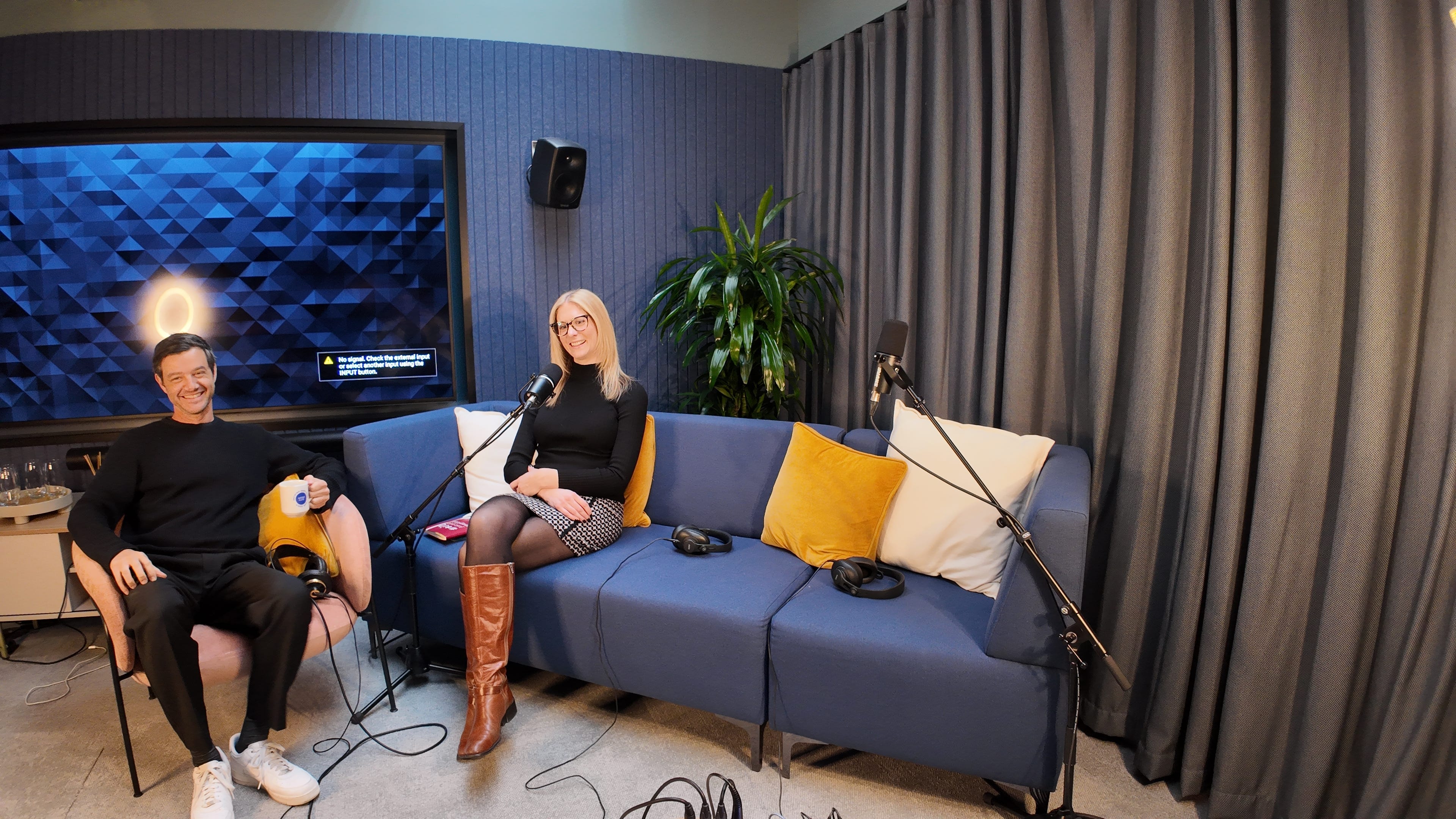
We want to give a special shoutout to Nat and the team at Work.Life, where this episode was recorded, for their brilliant podcast studio and hospitality throughout the season. Tap here to book their podcast studio yourself!


Season 17 of Brave Ideas explores one of the most important questions in office real estate today, how to build a more profitable flex business. Across the season, Caleb Parker speaks with industry leaders about the real commercial drivers behind Space-as-a-Service.


