



Brave Ideas Season 16, Episode 8
Brought you by

Learn how Flexspace AI is transforming coworking with their ecommerce revenue platform, featuring SmartPricing Agent, an AI-powered dynamic pricing engine. Tap here
A master class in scaling and career growth
In this episode, Brave Corp CEO, Caleb Parker, sits down in the Work.Life podcast studio in Clerkenwell with their new CEO, Paul Dutnall, to unpack how this people focused flex operator is preparing its brand and operations for scale.
Paul joined Work.Life around six and a half years ago from the hospitality and F&B world, initially as Head of Operations. He then stepped into the COO role, before being appointed CEO (what we believe is a case study for any junior or mid-level role).
Across that journey he has been responsible for making sure the member experience matches the founders’ (Elliot & David) vision, while evolving the systems and processes that sit behind it.
Today, Work.Life is a certified B-Corp with 14 location across the UK, and a clear focus on small businesses that care about people.
The company is moving from “management by walking around” to codified service and experience, while layering on an on-demand ecosystem powered by Flexspace AI to monetise non-contracted space through a proper ecommerce journey.
In this episode you will learn:
Paul’s career journey
Why he believes employer and employee relationships are time bound, and what that means for ambitious team members
How an operator can create real career pathways that allow ambitious team members to rise from operations into C level roles
How Work.Life is codifying its service, culture, and member experience so it can scale across multiple locations
What becoming and staying a multi site B-Corp means in practical, operational terms
How Work.Life defines its core audience, and why they design for small businesses that care about people rather than a specific sector
How Work.Life is structuring its memberships plus on-demand model, including offices by the day, meeting rooms, and studios
How the partnership with Flexspace AI is supporting on-demand bookings, data, and the roadmap for dynamic pricing
🎧 To listen as a podcast FOR FREE switch to audio above,
or follow Brave Ideas on Apple, Spotify, or wherever you listen.
CONNECT
Mentioned in this episode
Key Takeaways For Operators
sponsored by

Career paths matter
In a young sector, operators that create clear routes from community or operations roles into leadership can keep their best people longer and build stronger cultures.
Codify what you are optimising for
Work.Life starts with the feelings they want members to have in their workplaces, then works backwards into operational fundamentals, emotionally connecting service, and community layers, all supported by SOPs, training, and systems.
On-demand is a product, not a side hustle
Treating empty offices, meeting rooms, and studios as a structured on-demand product, with proper UX and ecommerce, has driven a multiple of 8-9x more external meeting room bookings compared to their previous approach.
Use technology to amplify people, not replace them
Automation and AI free team members from low value admin, improve speed to lead, and surface better decisions, while humans stay focused on relationships, judgment calls, and how members feel.
Design for experience, not just aesthetics
Thoughtful, low cost details that remove friction in everyday journeys can have as much impact as large CapEx items when it comes to member loyalty.
Key Takeaways For Real Estate Investors And Landlords
The office is now an option, not an obligation
Small and mid-sized teams are asking why they need an office at all, and if they do, how often. Product design and underwriting have to reflect part time offices, hybrid patterns, and on-demand use cases.
B-Corp and codified impact are becoming real differentiators
Work.Life’s B Corp status, and their position as a high scoring multi-site operator, is underpinned by clear systems and processes that can be measured and improved over time.
Non-contracted inventory is a revenue lever
Unlet offices, underused coworking capacity, and amenity spaces can be monetised through on-demand channels without undermining core memberships, provided pricing, access rules, and capacity management are carefully defined.
Experience led CapEx is a commercial decision
Fit out is more expensive, but investments in the right amenities, ratios, and layouts can support higher occupancy, higher effective desk rates, and lower churn over time, if they are aligned with a clearly defined customer.
Partnerships matter at building level and street level
Work.Life often relies on surrounding neighbourhood amenities, such as gyms and F&B, rather than duplicating everything inside its footprint, which affects CapEx, operating model, and location strategy.
Behind The Scenes
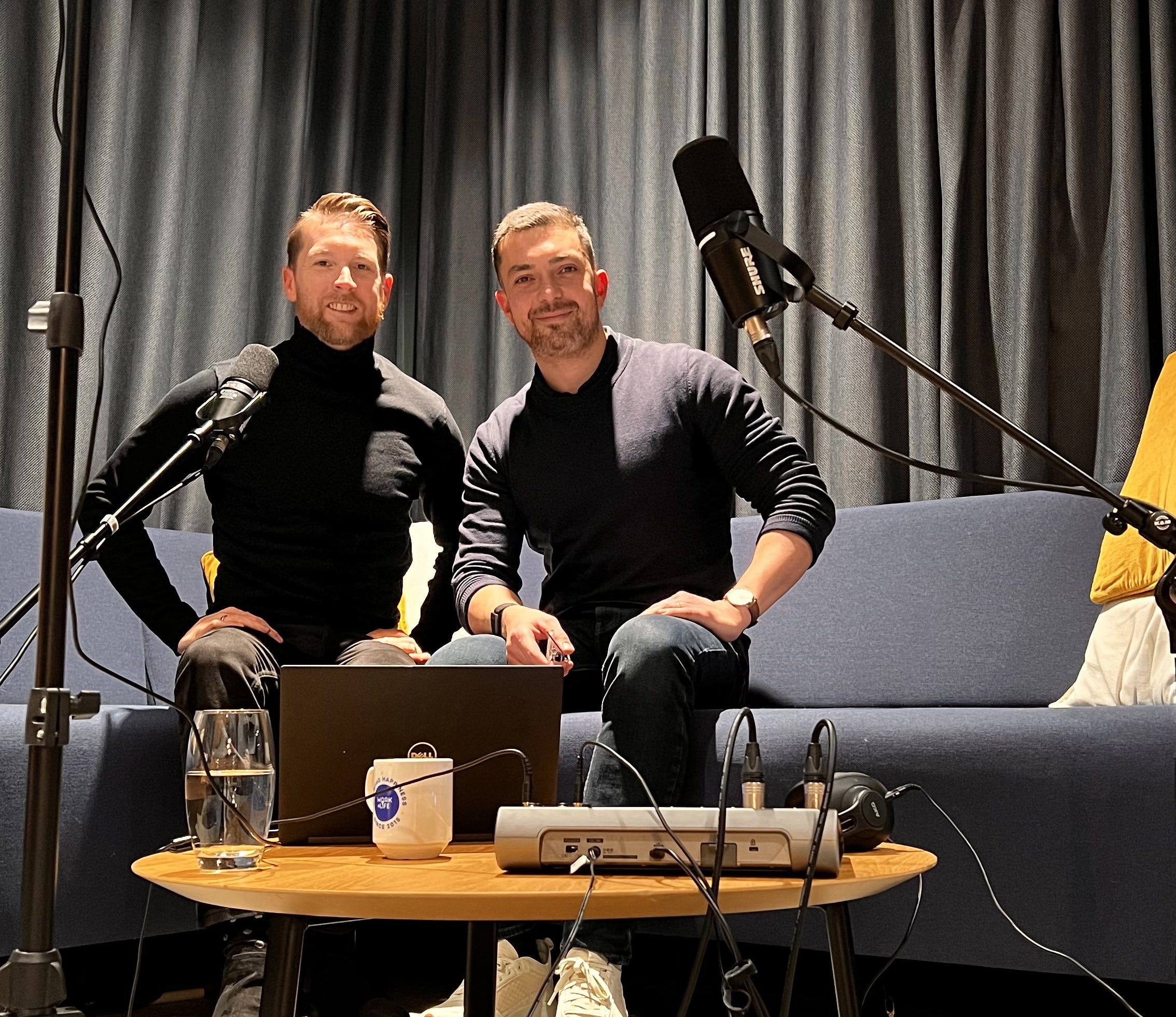
💡 This episode is part of Brave Ideas Season 16, diving into the 6 Pillars of Space as a Service, spotlighting operator playbooks and practical moves that lift demand, protect margins, and build workplaces people choose.


