


The shift from Cat A offices to fitted and managed space offers challenges and opportunities for landlords to satisfy occupier demand.
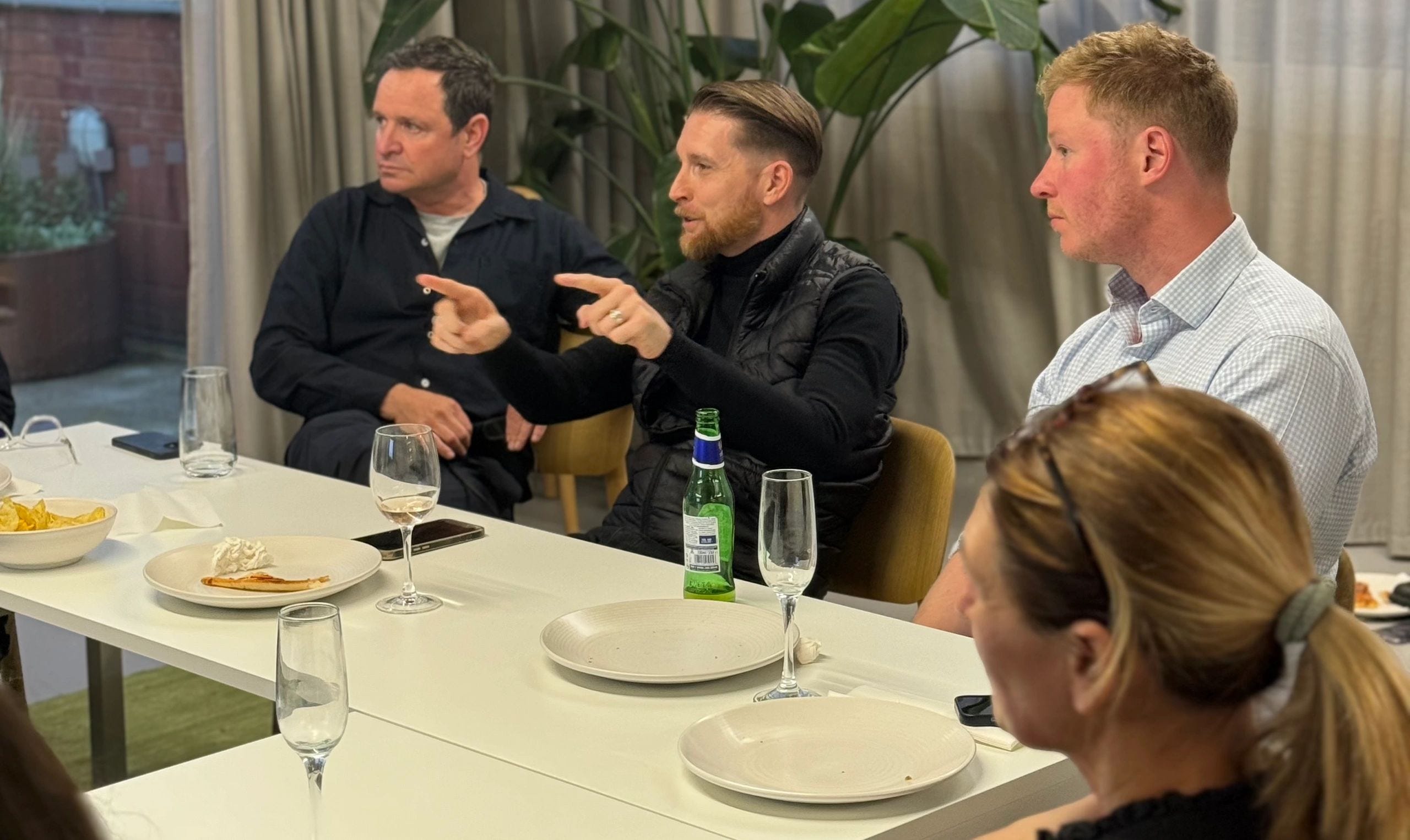
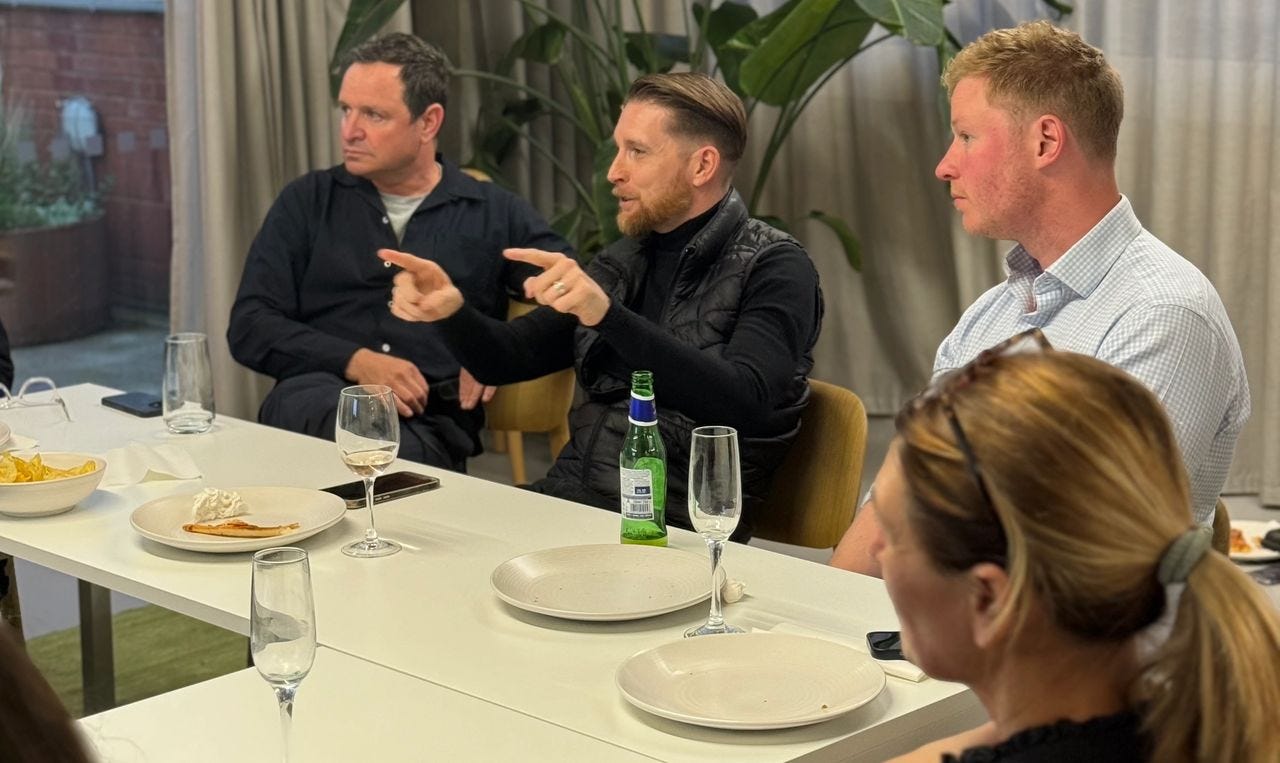
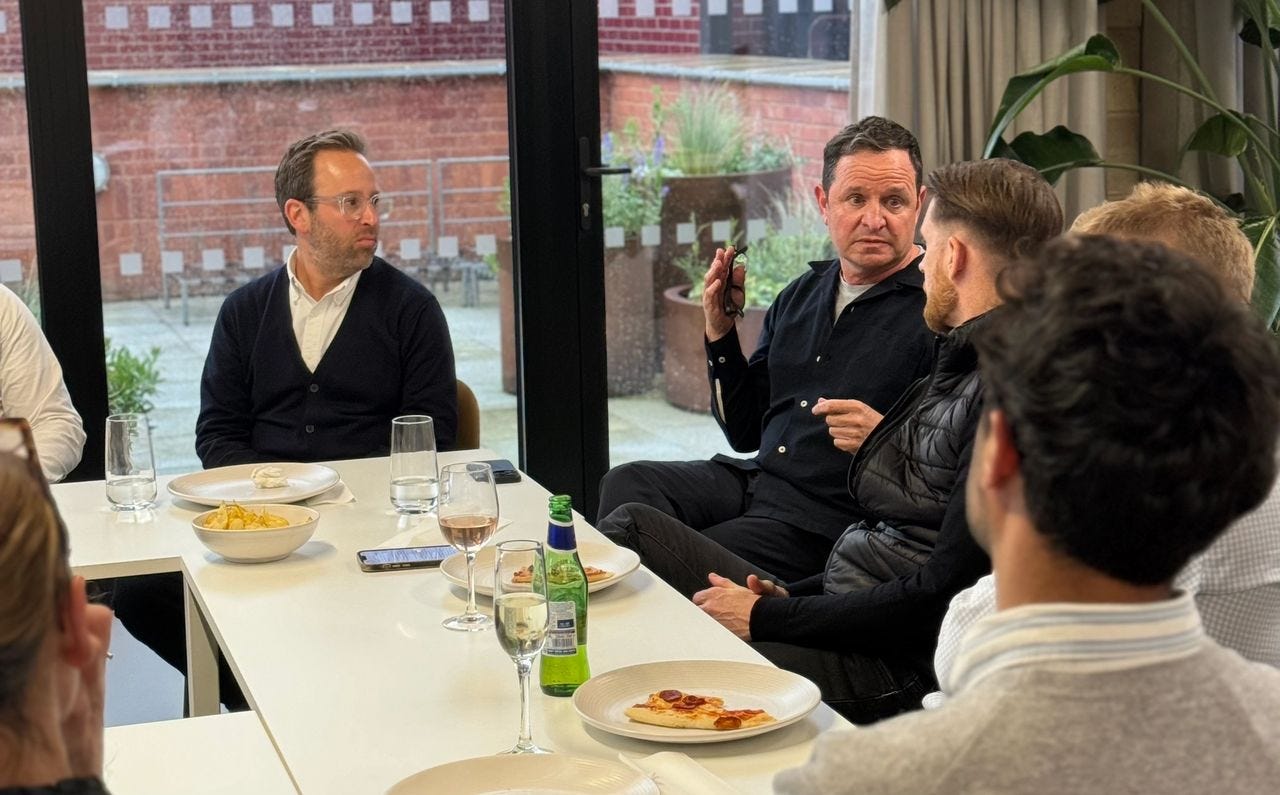
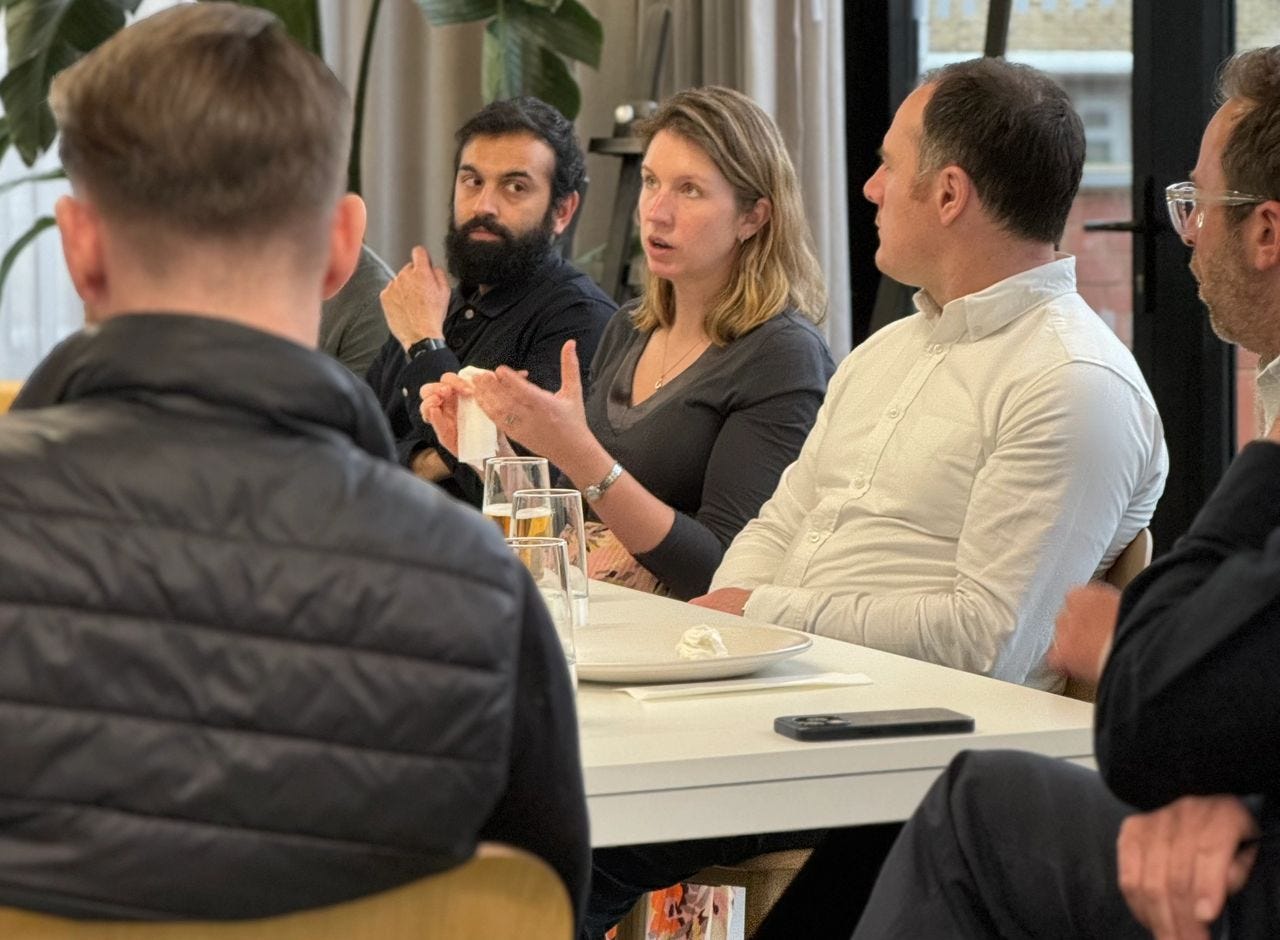
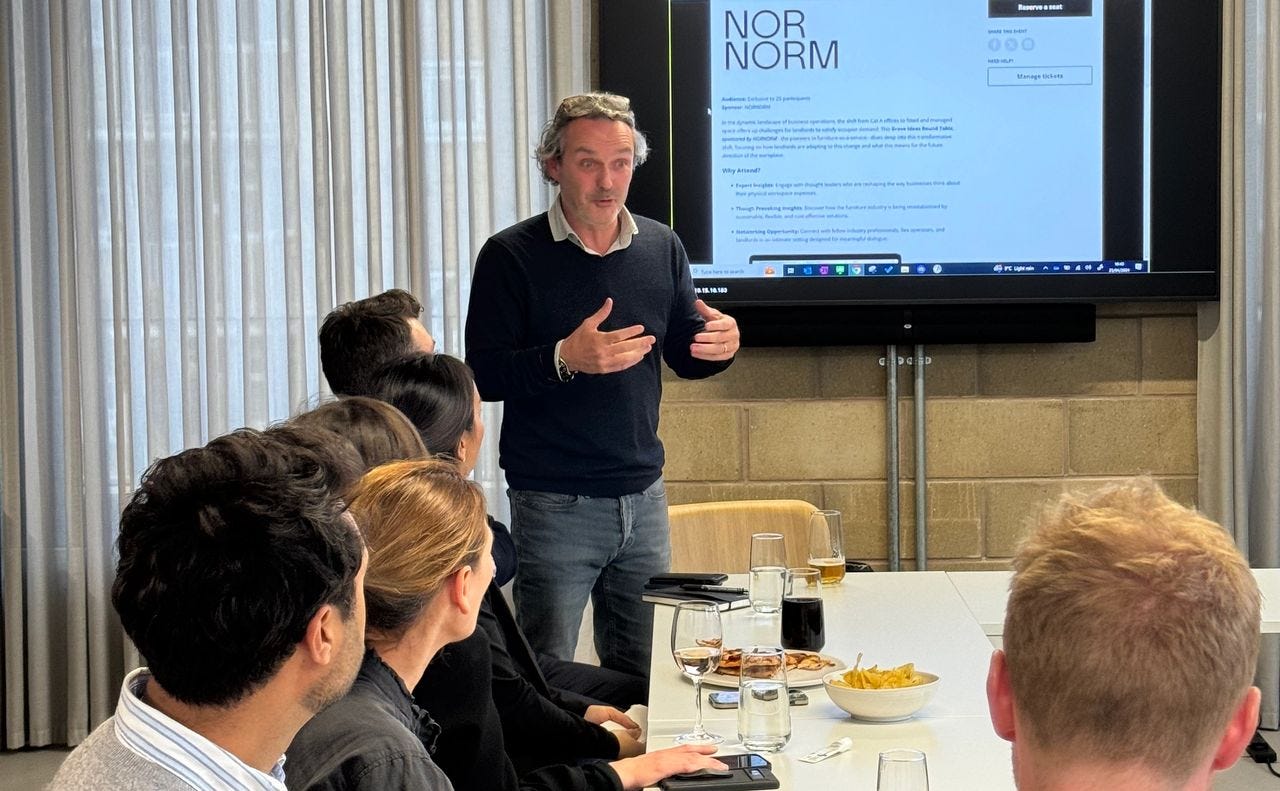
On Thursday 25th April, Caleb Parker – the founder of Brave Corp– led a round table event diving into this transformative shift, exploring how landlords adapt to this change, and what this means for the future of the workplace.
Sponsored by NORNORM - the pioneers in furniture-as-a-service - the roundtable invited the following experts in the flexible workspace industry:
Brad Williams, Growth at NORNORM
Nella Pang, Managing Director at Omega RE and Brave Board Member
Deepak Parmar, Design Director at MCM
Monika Piatkowski, Studio Manager at Modus Workspace
Adam Ghadiali, Head of Growth UK at Bright Spaces
Becky Gardiner, Director at Storey.
Jonathan Weinbrenn, Managing Director at BE.Spoke.
Matt Schaaf, Partner at 3PM
Paul Gold, Director of Leasing at Kontor.
Ana Rita Martins, Sustainability Lead, Architect at MCM
Filip Johannesson, Head of Growth at NORNORM
James Wilcox, Account Executive at NORNORM
This article shares the key takeaways from last week’s roundtable discussion.
Customer demand has dramatically shifted
Companies traditionally took CAT A space because everything in the office needed to be bespoke. Now, says Paul Gold, setting the context for last week’s roundtable discussion – the costs and complexities associated with fit-outs mean companies have less interest in taking CAT A space.
Customer demand has now changed. Companies “don’t want to spend money on partitioning, they want to spend it on R&D and people,” explains Jonathan Weinbrenn. Fitted and managed spaces offer flexibility tailored to specific needs, challenging the rigid structures of CAT A offices.
The flexibility of fit-outs
CAT A requires large investments that lock companies into their office floorplates, sometimes reducing their ability to scale up (or down). Today, “very few businesses have the appetite to do that,” says Rebecca Gardiner. “Businesses want the flexibility to up or downsize, even if they’re established.” Commonplace flexible working practices and hot desking also make it difficult to attest to how much space a company needs.
But, what about companies that are just starting? At Storey, “we have a good enough relationship to know what’s coming. We tend to have something for them to grow into, or see them growing,” says Rebecca, after the group reflected on the success stories of Monzo and Starling banks. It’s about viewing them as customers, not just tenants, Paul adds.
Investment and tech
With shorter leases becoming the norm since the pandemic (according to Jonathan, the average length of stay at BE.Spoke is 3 years and 11 months), the challenge for landlords lies in the viability of investments. However, a CAT B space is much easier to turn around than returning it to CAT A, says Rebecca, as it requires fewer modifications to meet current needs. Avoiding voids and rent-free periods is the overall goal.
Rebecca shared an anecdote from being involved in refurbishing a building with several floorplates of 15,000 sq ft. The occupiers didn’t want a fully fitted-out space but struggled to visualise the space. Using AR alongside fitting one of the floorplates secured leases in all CAT A spaces, exemplifying the innovation technology can bring. The ease of using technology to visualise fit-outs, according to Adam Ghadiali, is about presenting ‘different options at the touch of a button.’
Doing it for the planet
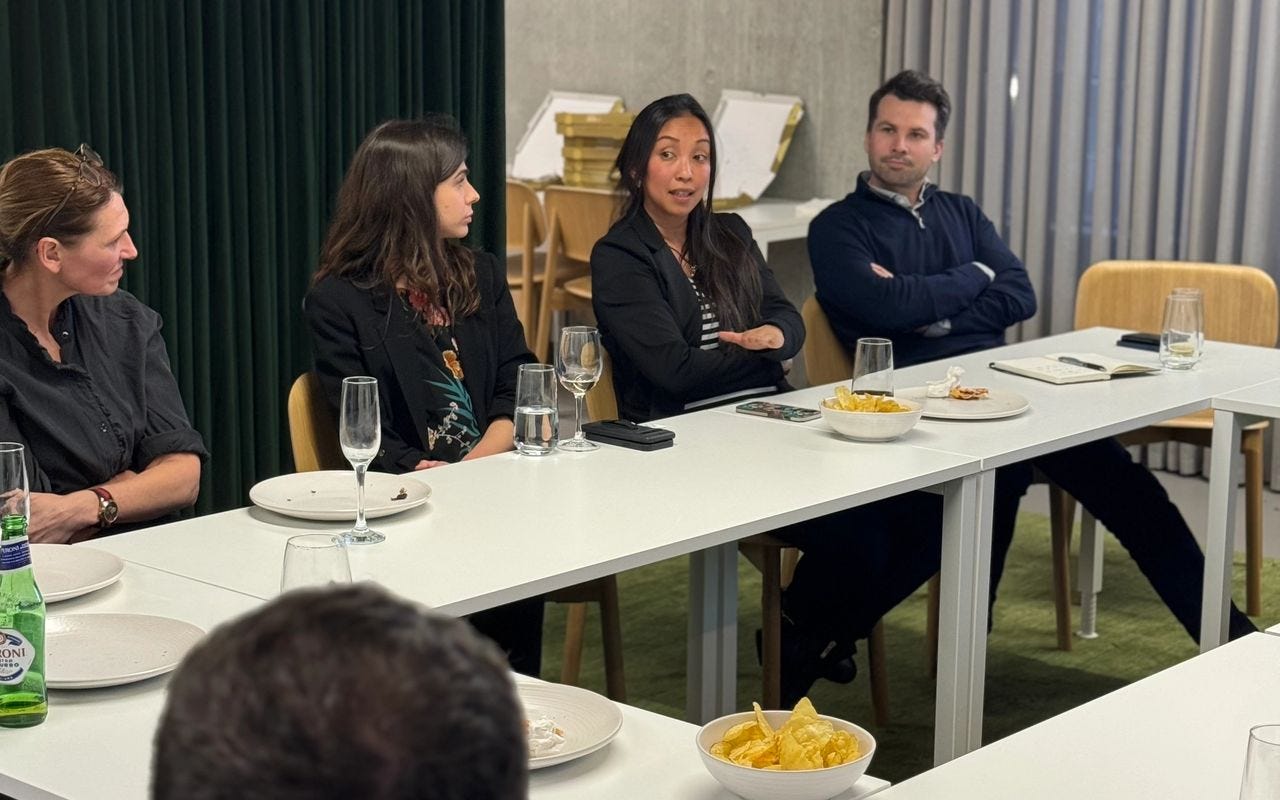
While flexibility is the driving factor for CAT A spaces, in the future, Brad Williams, would love for this to be sustainability and circularity. It’s a particularly pressing topic given that waste is the biggest issue relating to fit-out. Despite clients “doing everything they can to retain an existing fit-out, mostly for the sustainability perspective but also the whole model of leasing for 3-5 years,” says Paul, it’s sometimes far easier to simply throw things away at the end of a lease than move them elsewhere. The misconception is: “People always think sustainability is more expensive,” says Nella Pang.
MCM’s principles lie in designing a low-carbon office that can be taken apart once a lease ends. This includes not buying virgin furniture, but instead having it built, supplied by NORNORM, or vintage. Even, “the company we bought vintage furniture from is guaranteed to buy it back…we know it’s going to go back into the market and become circular again,” says Deepak Parmar. Implementing the technology to capture ESG metrics isn’t yet commonplace in the commercial real estate sector either, although the group felt it would be over the next few years, given how many companies are striving for B-Corp accreditation.
Brand and the community vibe
The needs for fit-out depend from customer to customer. Some require CAT A+ spaces where the client culture is represented by ‘really digging deep and understanding how the furniture, and the layout, and the design fit with what they’re trying to achieve as a business,’ describes Jonathan. It’s about the curation of brand, and community, especially as occupiers look “for experiential, flexible, and agile alternatives.” Nella applauds Jonathan for curating a successful community in one of his Southampton offices, where the coworking and hospitality service impacts the employee experience, engagement, and retention, attracting talent too – “If you curate that community that’s when you’ll start to flourish.”
The expectation for communal amenities include “meeting spaces on the ground floor, communal terrace, that’s when the managed product works best,” says Paul. It also justifies the high price point. While some larger companies can’t get on board with the community piece, they still want the “bits from coworking that everyone likes” – a single monthly invoice, a shorter license document, no CAPEX, and very clear requirements from day one.
Conclusion: Embracing the Office Evolution
The shift from CAT A offices to fitted and managed spaces signals a fundamental change in office real estate. Driven by a demand for flexibility, customisation, and sustainability, it presents challenges and opportunities for landlords and occupiers. Technology, sustainability, and community-centric design emerge as key drivers shaping the future of office space. Embracing innovation and collaboration, stakeholders can navigate this evolving landscape to create dynamic, purpose-driven workplaces that meet the diverse needs of modern businesses and employees alike.
Subscribe to Brave Ideas to stay up-to-date on the future of the workplace.
