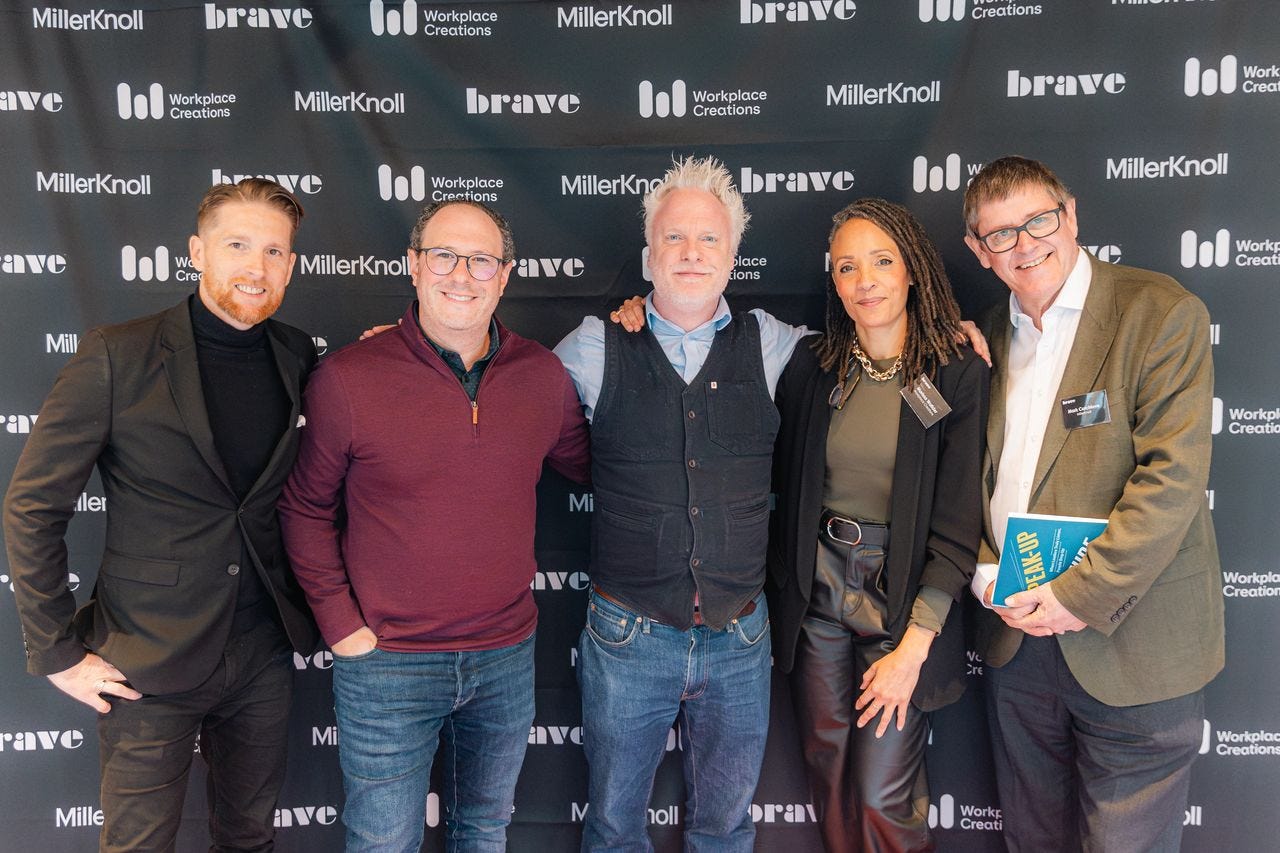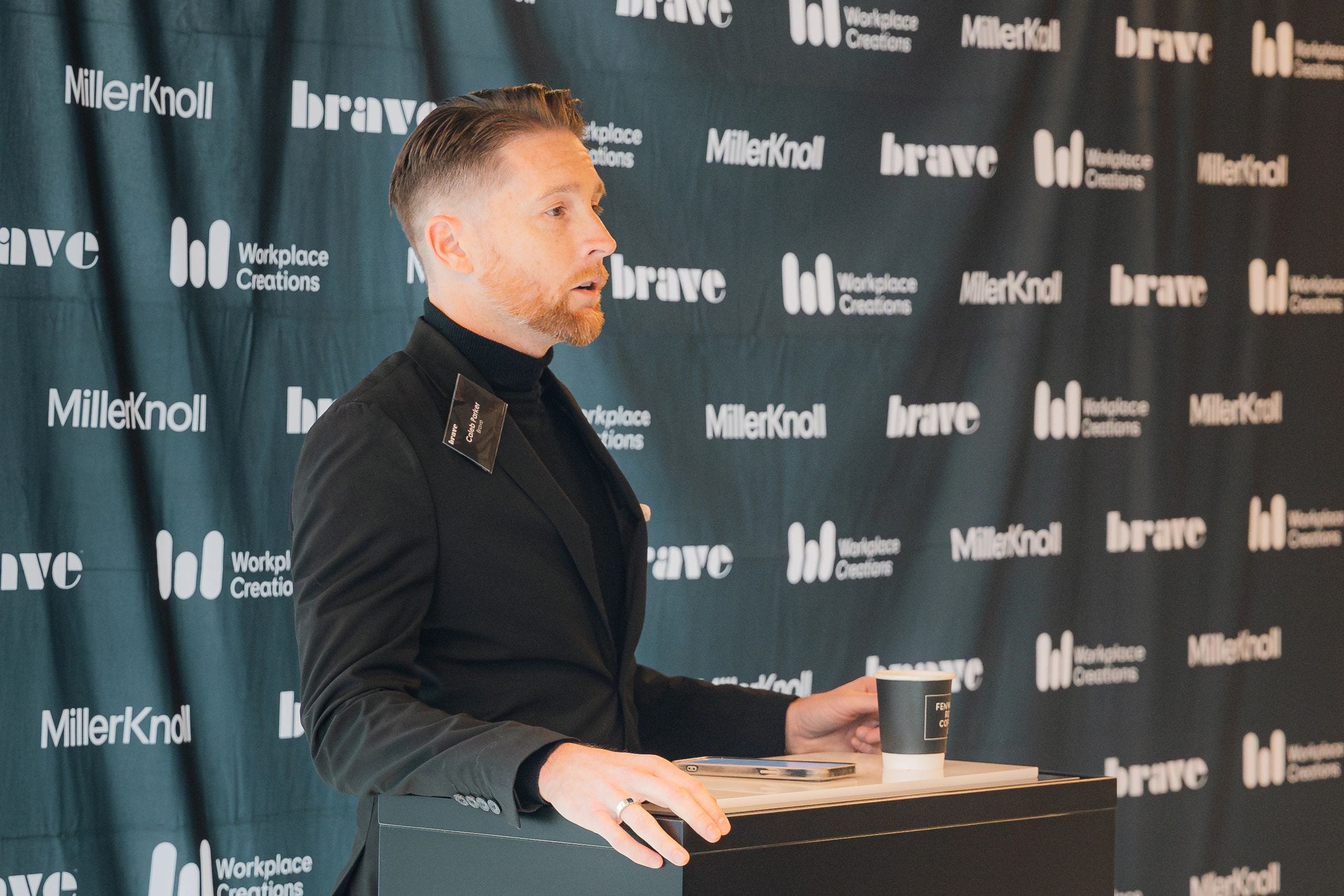
The commercial real estate industry has a critical role to play in shaping the future of work.
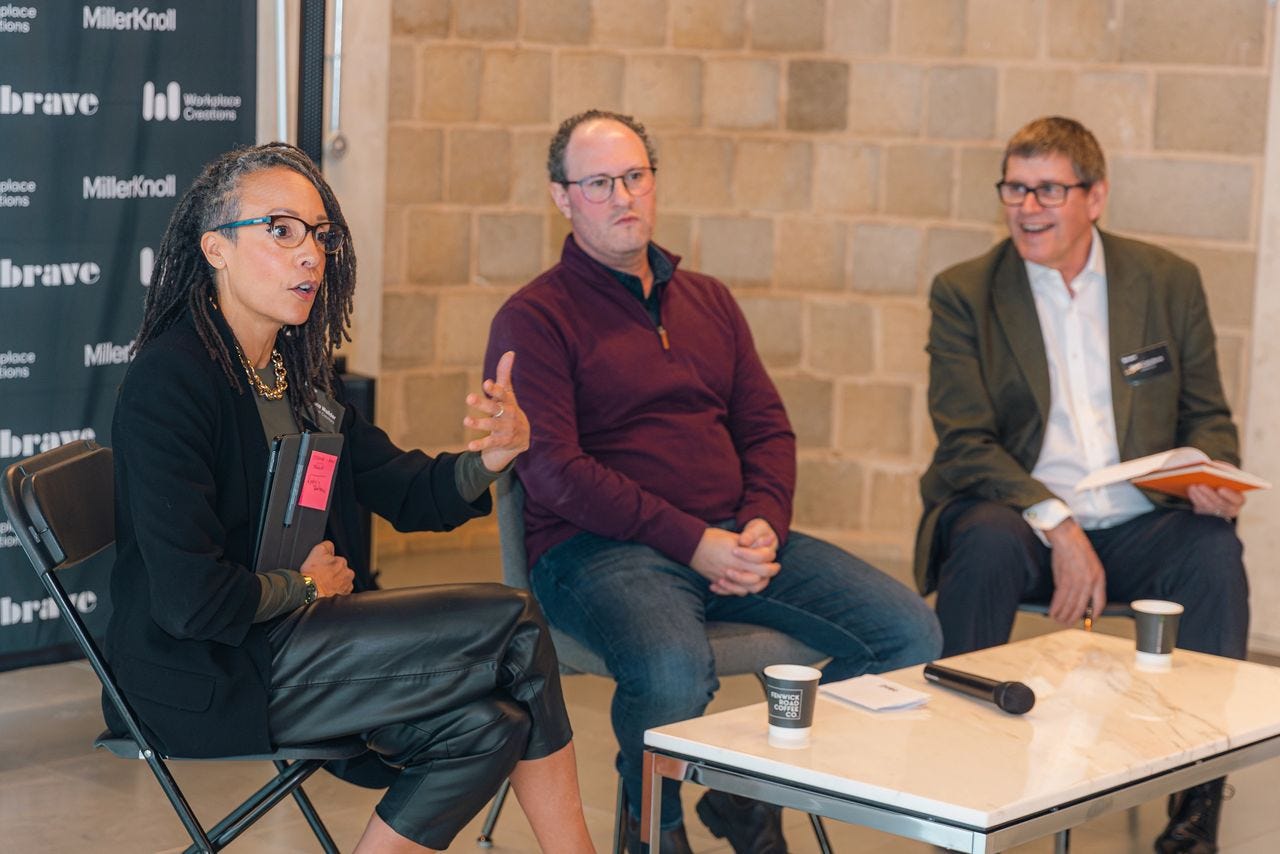
That’s why we curated last week's Brave Ideas Keynote featuring leadership expert Stephen Shedletzky ("Shed") last Friday, titled Culture First: Leading the Way in Commercial Real Estate.
(Tap here for the photo gallery)
Our goal?
To ignite a conversation about how offices can become more than just physical spaces.
We believe our industry has a profound impact on workplace culture --and that impact extends beyond office walls.
What if commercial real estate became a beacon for positive company culture?
After all, positive cultures and thriving workplaces lead to successful businesses that fill offices with happy, motivated people.
Culture, Not Policy, Defines Workplace Success
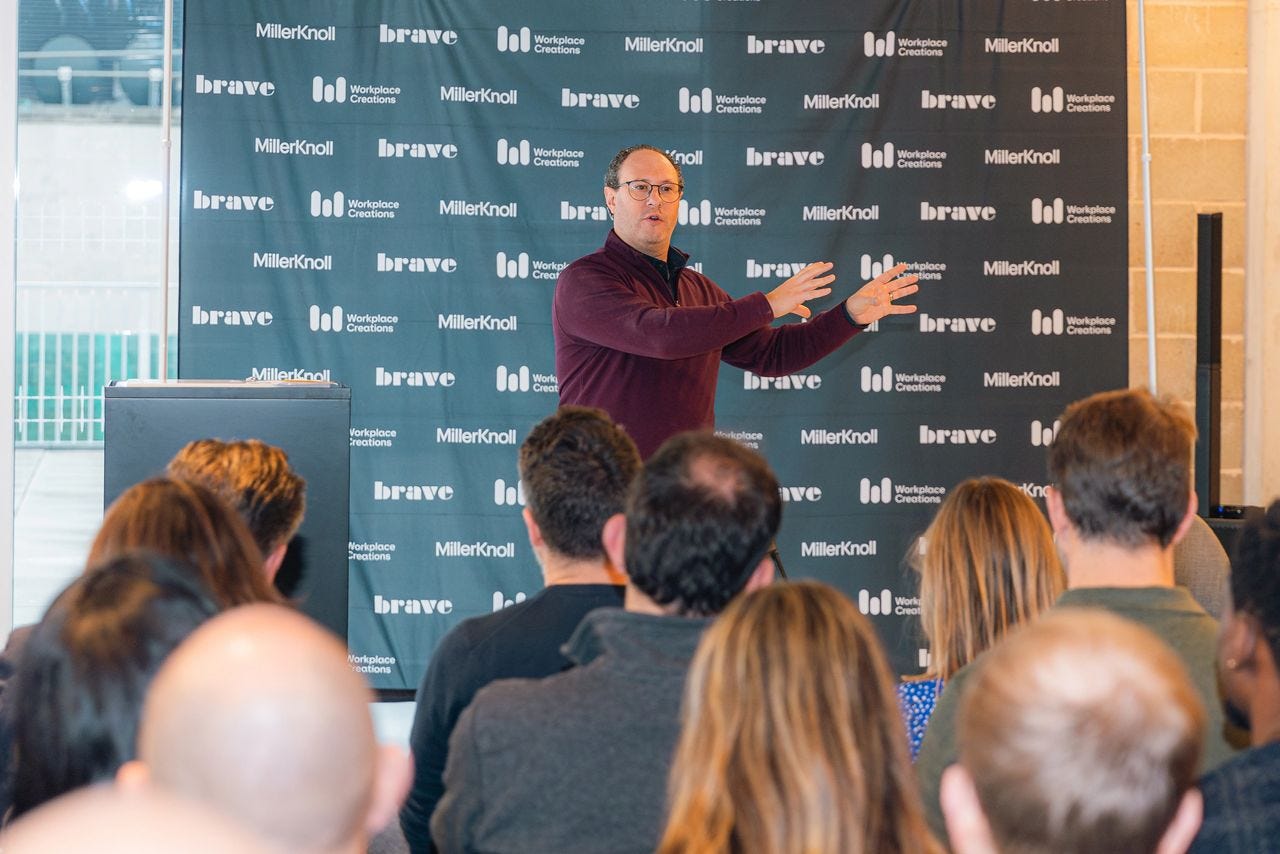
The debate around remote work versus in-office policies has dominated headlines for years. But as Shed pointed out in his keynote, workplace success isn’t determined by location alone. The true foundation of a thriving workplace is culture.
“The biggest influence on whether a workplace thrives is not whether it’s in-person, hybrid, or remote—it’s the company culture,” he said.
Shed explained that speak-up cultures—where employees feel safe, valued, and empowered to contribute—are essential to long-term success. Psychological safety, trust, and belonging don’t just make workplaces nicer; they make companies more competitive.
But he also issued a cautionary note: In-person interactions amplify emotions.
When the culture is strong, being together amplifies trust, connection, and collaboration. But in a toxic environment, those same interactions magnify anxiety and disengagement.
The takeaway for leaders?
It’s not enough to bring people back to the office. We must create environments where people feel emotionally safe and genuinely included. The workplace isn’t just about productivity—it’s about human connection.
Why the Office Industry Must Care About Culture
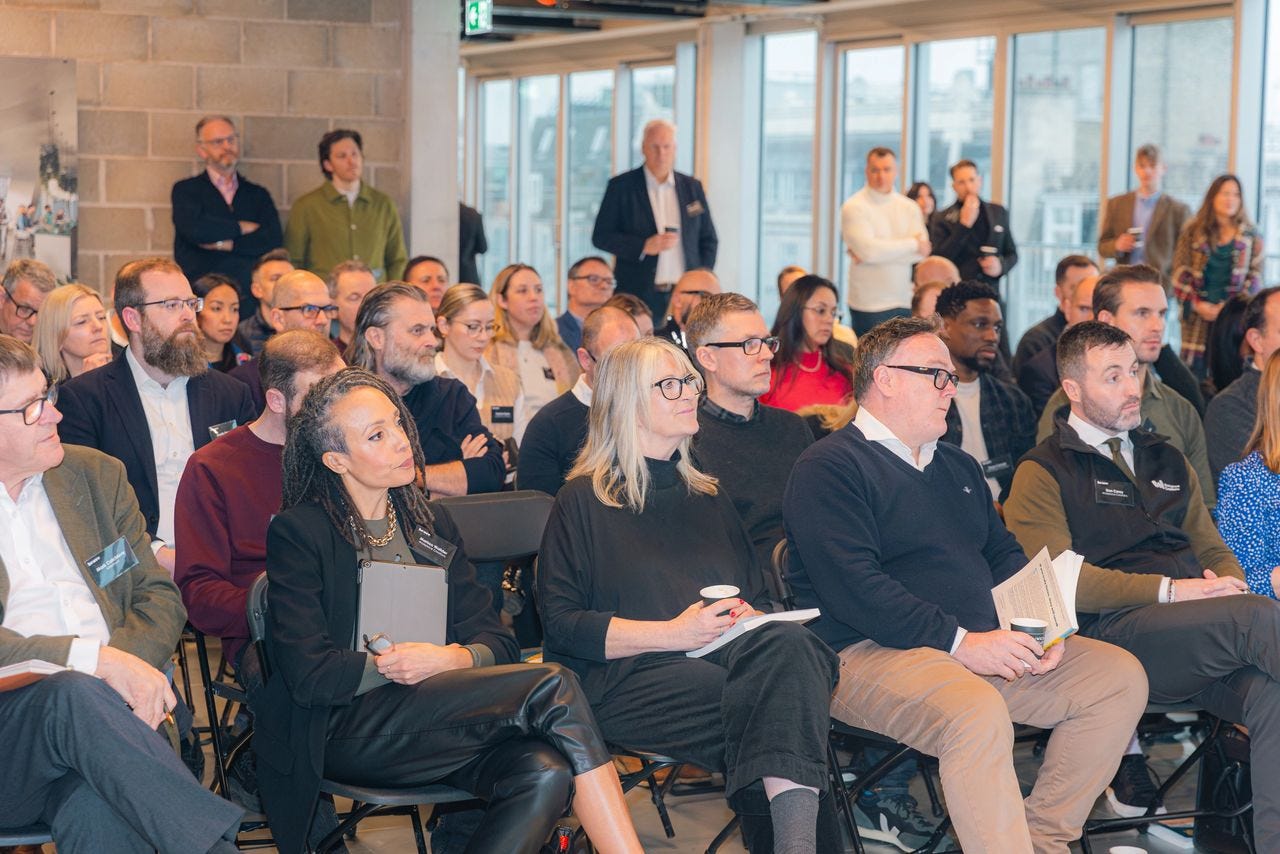
Throughout the event, one message became clear:
The future of work will determine the value of the office.
The equation is simpler than it seems: great company cultures create thriving businesses, and thriving businesses create demand for office space. When employees feel connected to their workplace culture, they naturally want to spend more time in the environments that foster that connection.
That’s why the office industry needs to care about inspiring great company culture. If we want offices to remain valuable assets, we must go beyond leasing space and actively contribute to the creation of environments that amplify great cultures, foster collaboration, and support human connection. When we prioritize culture, we don’t just fill offices—we create workplaces that people genuinely want to visit, driving long-term demand and ultimately increasing asset value.
For real estate investors, operators, landlords, and tenants alike, the workplace represents a unique opportunity to create competitive advantage. An office isn’t just a cost center—it’s a strategic asset that can drive culture, collaboration, and long-term business success.
Commercial Real Estate as a Catalyst for Cultural Change
For years, commercial real estate was seen as a provider of office space—a place to house desks, meeting rooms, and computers. But our industry can be so much more.
The real estate companies that succeed in the future will be those that see themselves as partners in shaping workplace culture. We’re not just renting space; we’re helping companies build environments that inspire creativity, engagement, and innovation.
The venue we chose for our event, Space House, is a testament to this shift. Its recent restoration preserved the building's architectural heritage while transforming it into a modern, human-centric workspace. The result? A space designed to support businesses in winning the war for talent by offering an experience that makes the commute worthwhile.
This is the kind of approach we need across the industry. The future of work will not be defined by mandates—but by experiences.
The Power of Choice and the Office as a Destination
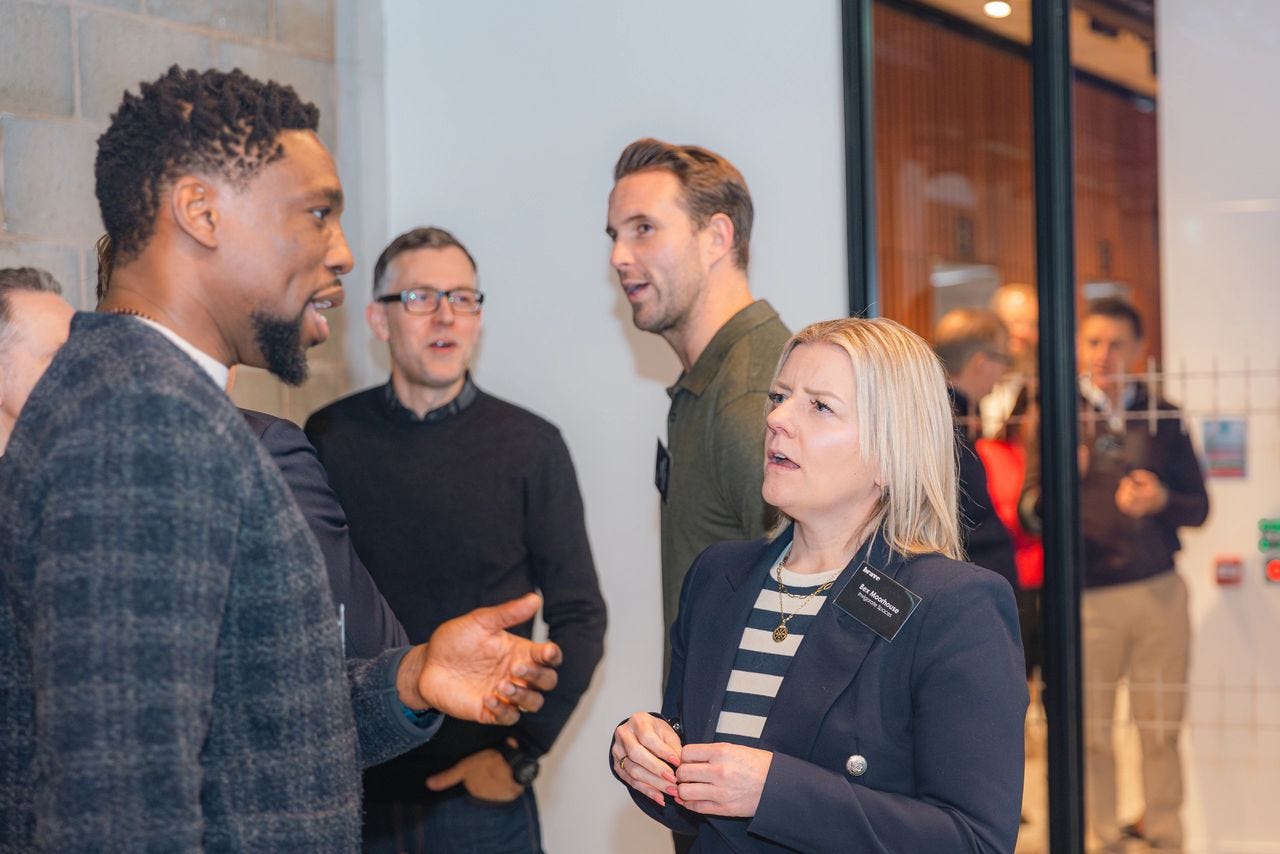
In his keynote, Shed introduced the concept of the “cranberry muffin moment.”
Imagine two colleagues reaching for the last cranberry muffin during a break. They laugh, chat, and discover a shared love for the treat. Months later, when tension arises during a heated discussion, that small moment of connection helps them find common ground.
These spontaneous, unscripted moments build trust, empathy, and loyalty. But here’s the catch: you can’t schedule a cranberry muffin moment over Zoom.
This is why the workplace needs to become a destination—a place where people want to go, not a place they feel obligated to attend.
But let's be realistic: People won’t come into the office every day. And that’s okay. The greatest amenity a company can offer is empowering its people with the freedom to choose.
When employees have that freedom, they won't just show up to tick a box. They’ll come for the connections, the energy, and the sense of belonging—for the moments of shared humanity that fuel collaboration, creativity, and innovation.
Hospitality-Driven Workplaces: The Future of Work
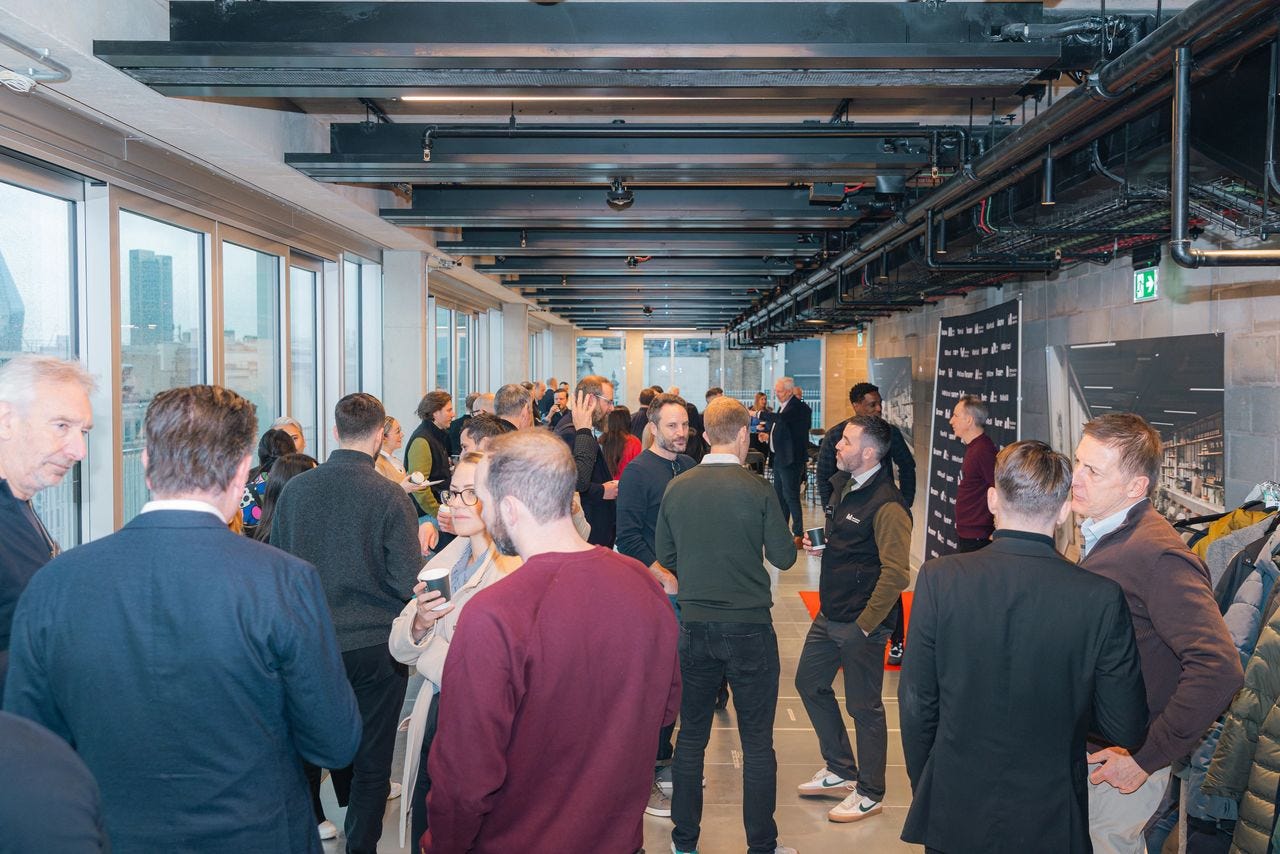
The most effective workplaces are no longer just functional—they are experiential. The office should feel more like a hospitality-driven environment than a rigid corporate setting.
At Brave Corporation, we partner with owners to transform underperforming office buildings and other non-traditional buildings into brand-led, hospitality-infused hybrid workplaces.
We deliver best-in-class workplace experiences that we call lifestyle-working.
The result? Vibrant, engaging places that serve as magnets for human connection.
The future of work isn’t about forcing attendance or debating where people should work. It’s about creating spaces that people actively choose to come to—because of the experience they have when they’re there.
By putting culture first—internally within our own companies and externally by inspiring our customers—we can redefine the role of the office. Not as a cost center, but as a culture center. A place where people feel connected to their colleagues, inspired by their surroundings, and energized to do their best work.
And when we get this right, we won’t just earn the commute—we’ll earn our place as industry leaders in shaping the future of work.
So as the office industry becomes a beacon for positive company culture, we’ll help businesses win the war for talent—and our office assets will grow in value.
To learn more about our keynote speaker, visit his website here