



(Scroll Down For Full Photo Gallery)
Brand, transparency and the decisions facing operators in 2027.
A customer looking for an office can now compare coworking, serviced offices, managed offices and traditional leases within the same search. Landlords introducing their own flex products are adding to that choice and increasing competition.


For office operators, the challenge is becoming more pressing:
Why should that customer choose you?
That question ran through The Flex Market in Transition, our Brave Ideas event at MUTE’s London showroom on 17 September, presented by BOLTA and MUTE.
With Mark Bott as MC and panels moderated by Jessica Morgan and Zoe Ellis-Moore, the afternoon explored what this convergence means for the businesses providing office space.
Going Deeper on Brand

The discussion repeatedly returned to brand.
What does an operator stand for?
Who does it serve?
How clearly does that identity come through in the experience it delivers?
As products become easier to compare, operators need to give customers a clear reason to identify with their brand. That requires a deeper understanding of their values and audience, expressed consistently through their communications, service and product decisions.
It also means creating content around the ideas and interests that matter to those customers, extending the conversation beyond the offices, desks and meeting rooms available to rent.
Being Found Through AI Search

The discussion around AI engine optimisation, or AEO, brought another dimension to this. Panellists highlighted familiar SEO tactics alongside a greater emphasis on earned media. For operators, that adds weight to how their brand is represented and discussed across publications, podcasts and other sources beyond their own website.
AI and the Human Experience
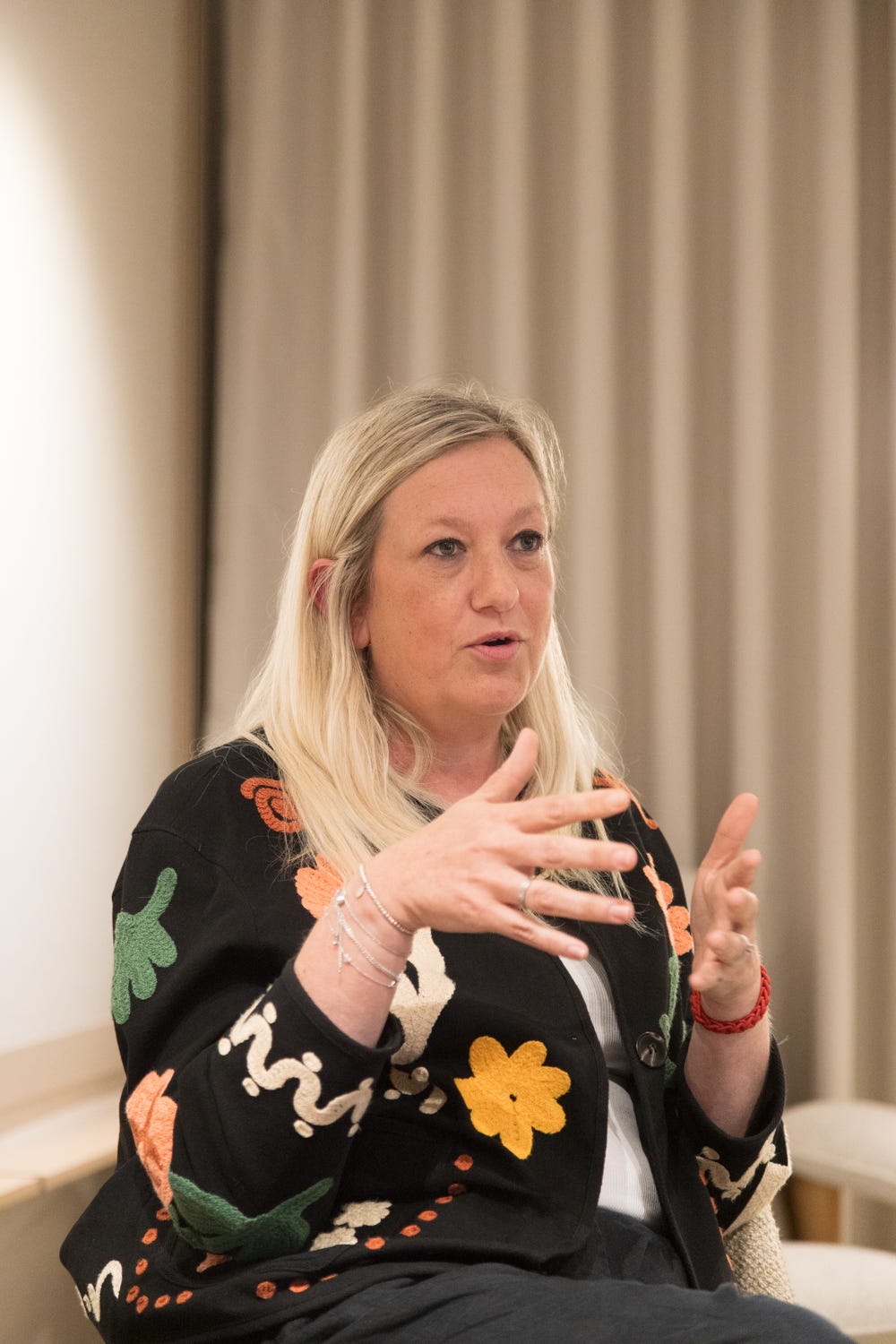
AI is also changing what happens once a customer makes contact.
Some operators described using AI agents to handle initial enquiries. Others are concentrating on AI as an internal tool for their teams, with concerns about preserving a human experience at the start of the customer relationship.
Those choices deserve to be considered alongside the brand promise.
Where does speed improve the experience?
Where does a customer need personal attention?
How well does the technology support the people delivering the service?
Transparency and Trust

There was broad agreement on the need for market transparency and data customers can trust. The discussion challenged the opacity of information historically gated through brokers.
Transparent pricing across products gives customers a clearer basis for comparison, and gives providers an opportunity to build proposals around their specific requirements.
The Dynamic Pricing Question
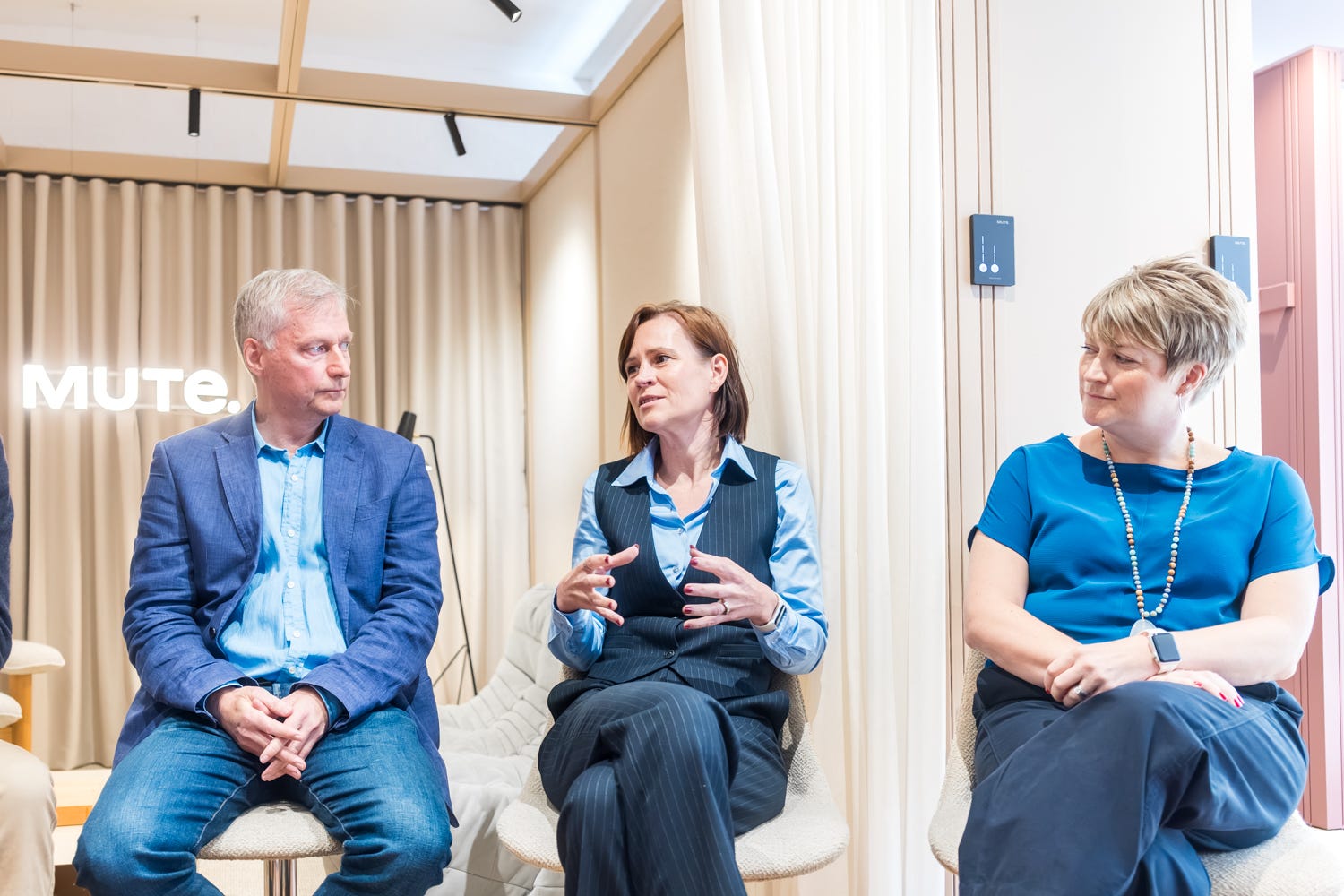
Pricing itself prompted a lively debate.
Most contributors saw a role for dynamic pricing in short stays, with more questions about its value for longer commitments. An audience member pointed out that pricing already changes organically as sales teams review occupancy in monthly or quarterly meetings.
That leaves a practical question:
Would an AI pricing tool help those teams make better decisions, particularly for longer stays?
Competing for 2027
The priorities emerging from the afternoon were clear. Go deeper on brand. Communicate the values that attract the customers you want to serve. Make pricing understandable. Use reliable information to deliver a tailored solution.
Competing across a broader market puts every part of that customer journey under greater scrutiny.
For more, watch our recent Friday Five debrief with Jessica Morgan:
Thank you to our MC Mark Bott, moderators Jessica Morgan and Zoe Ellis-Moore, and panellists Jim Groves, Alexandra Livesey, Rob Strachan, Helena Hughes, Sophie Turnbull, Frederick Bailey, Robert Schogger, Michael Dean and Gosia Hermanowicz.
And thank you to BOLTA, MUTE, and everyone who contributed to the conversation.
Explore the photo gallery below and feel free to download and share on social media.