


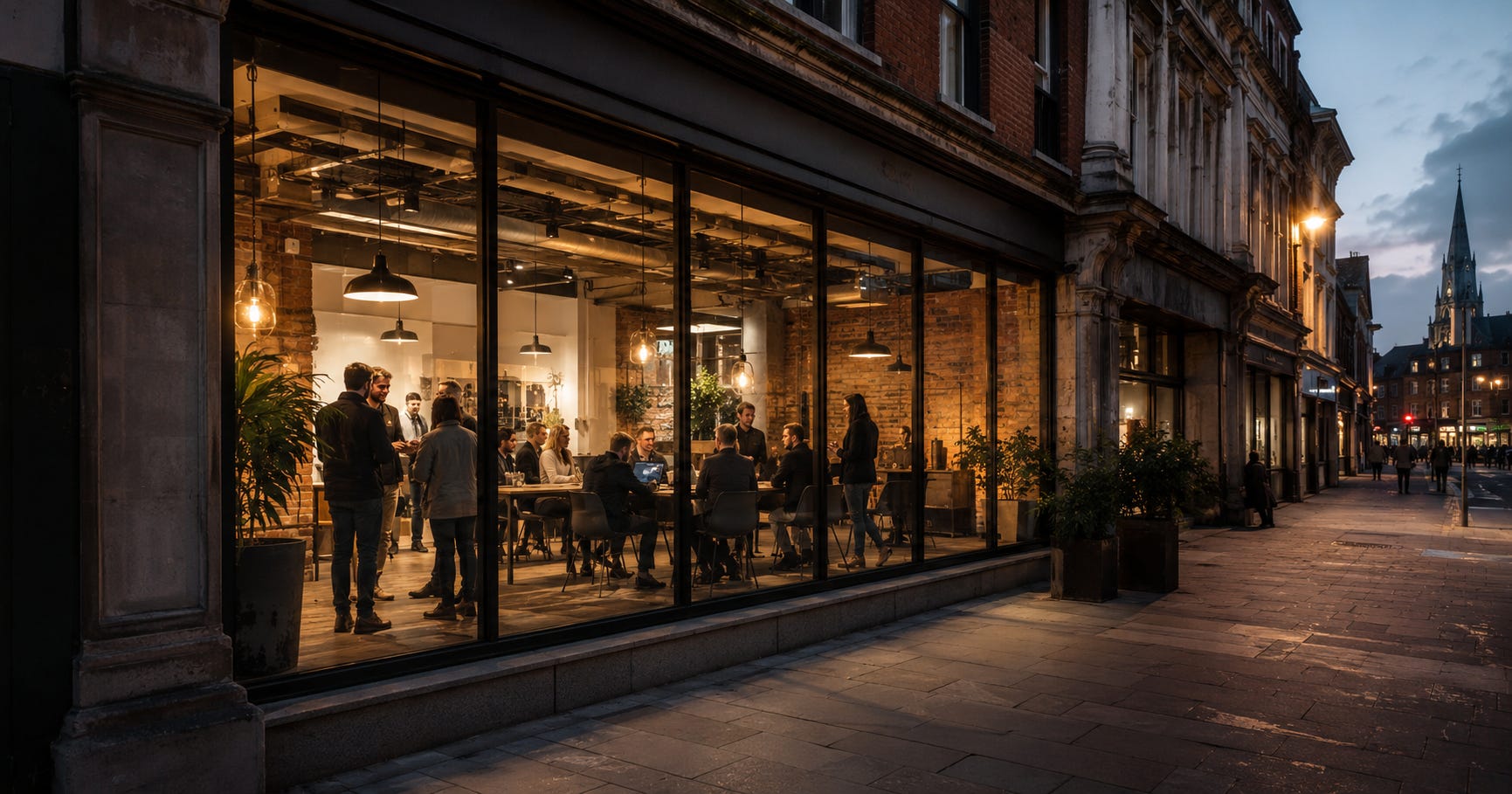
In my experience, most conversations about town centre regeneration start with the building.
That is understandable. Property is visible. It can be photographed, valued, funded, refurbished, and put into a plan. Buildings give people something tangible to rally around.
People are harder to underwrite.
A person with an idea rarely looks like economic infrastructure at the beginning. They look like someone trying to work something out, often before anyone else can see the shape of it.
Yet that is where growth starts.
Growth starts when people act on ideas, learn from the market, and build the confidence to keep going. The economy grows when people inside and around a place start doing more valuable work.
That distinction matters, especially for towns and smaller cities.
For years, too much regeneration thinking has treated people as something that happens after the property strategy. Build the thing, improve the public realm, attract the anchor occupier, then hope the local economy responds.
Sometimes it does.
Often it does not.
The building opens, the launch photographs look good, the ribbon is cut, and then the harder question remains.
Who is actually being helped to succeed?
Making Local Ambition Visible
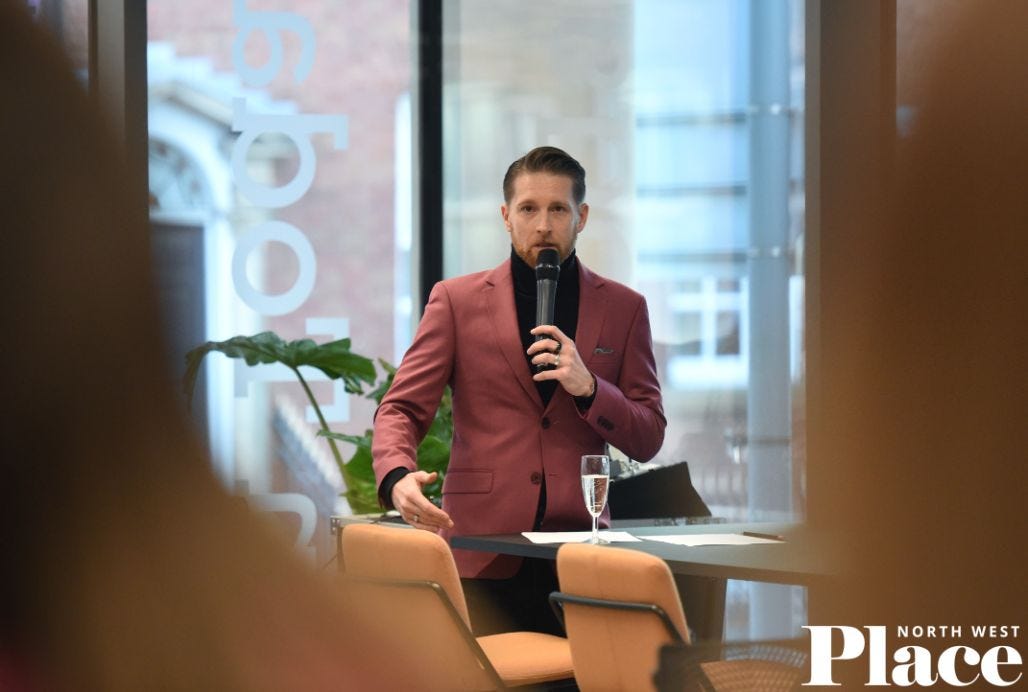
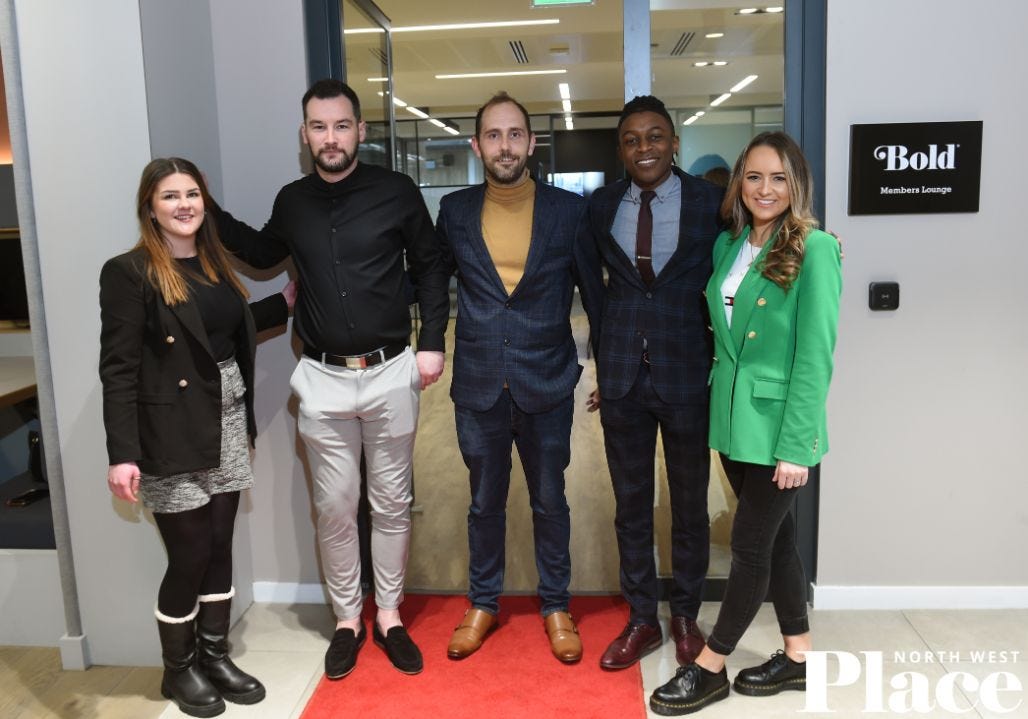
Several years ago, when I was Founder and CEO of Bold, I had the great privilege of speaking at our launch event for Bold Bauhaus in Manchester’s Spinningfields area.
We were just getting started, and there was real energy around the building. The launch event attracted significant local interest. Bold opened at approximately 60% occupancy and reached approximately 90% occupancy within its first 90 days.
That mattered commercially. Any operator opening a new building wants demand to show up quickly. Occupancy gives you confidence that the market understands the offer.
I remember the invitation described Bold as Manchester’s newest flex space. In the speech, I corrected that framing.
“Bold is not a flex space, we’re a community for entrepreneurs and innovators.”
That line carried the reason we built the company.
We created Bold to champion and support entrepreneurs and innovators, especially people with ideas big enough to challenge the status quo. We wanted to build a place for people who believed there had to be a better way, and who were prepared to do the difficult work of proving it.
In the launch speech, I spoke about Manchester’s creative people with ideas to improve the world. That was the belief behind the brand.
What happened over the following months and years confirmed that belief.

Bold Bauhaus attracted the kind of people we hoped it would attract. Some arrived with companies. Some arrived with early stage ideas. Some were still working out whether the thing they were building could stand up in the market.
The building became more interesting as the people inside it became more interesting.
You would see someone at an event, then see them again a few weeks later deep in conversation with another founder. A small team would arrive, take an office, start showing up, and slowly become part of the place. The useful moments were rarely dramatic. They happened through the steady repetition of people being in the same environment.
That was when the original idea behind Bold started showing up in the day-to-day life of the building.
That is why I struggle with the way coworking is often categorised.
From a real estate perspective, the product is easy to reduce to desks, offices, memberships, meeting rooms, and event space. That language is useful for pricing and operations. It is less useful for understanding what a strong coworking community can actually do.
The best coworking communities make ambition visible.
In many towns, ambition is already there, but it is fragmented. A good coworking community changes the daily pattern. It gives people proximity to others who are also trying. It creates a rhythm of interaction. It makes progress observable.
None of this looks dramatic from the outside.
But over time, it changes the psychology of a place.
When Growth Becomes Visible
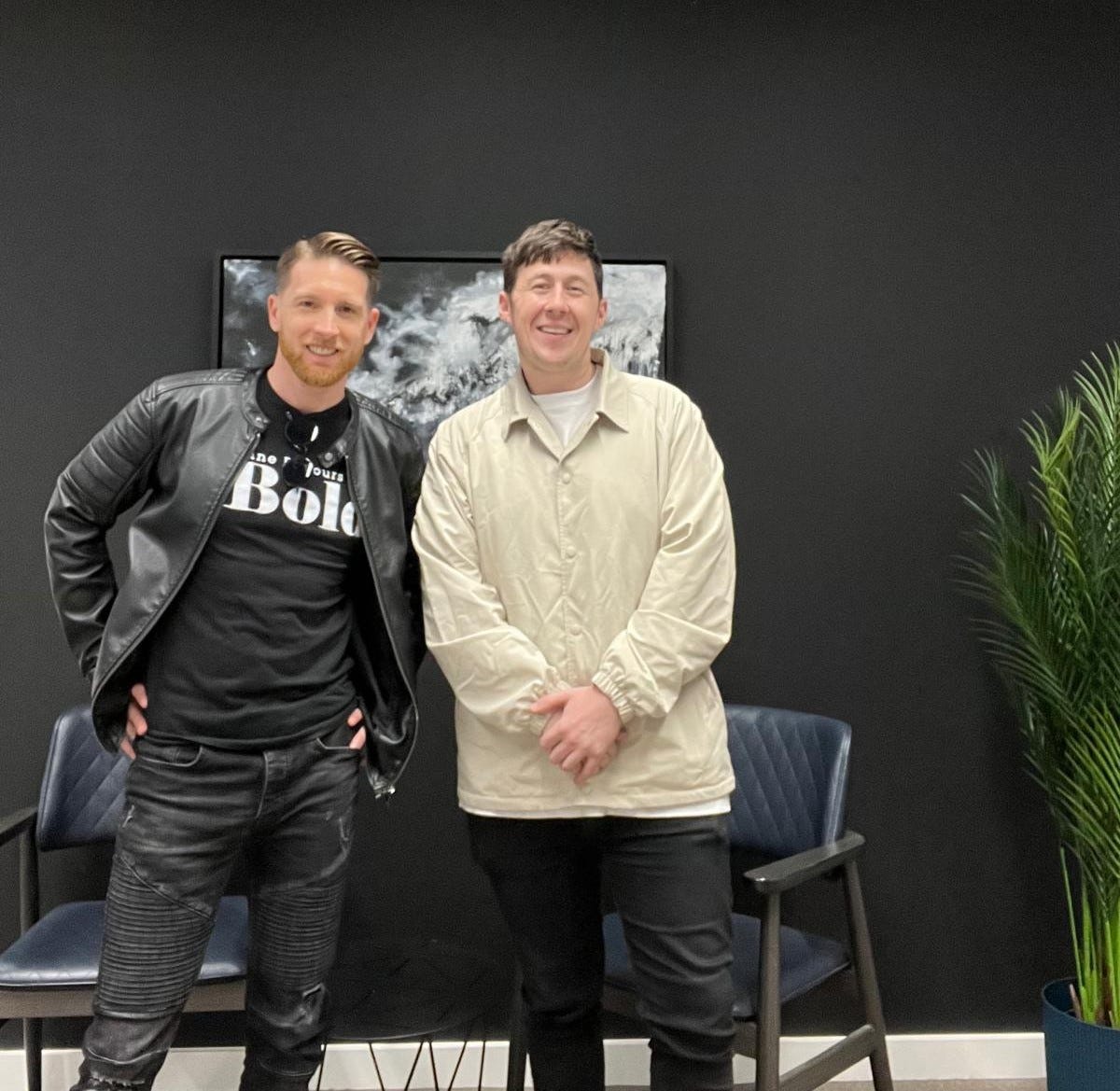
One of the clearest examples I saw at Bold was Jack Frimston of We Have A Meeting.
Jack joined Bold with a small office for his team. He became active within the community. He attended events, built relationships, and became part of the building’s entrepreneurial life.
The company grew.
As it grew, the team expanded their office three separate times.
Eventually, they outgrew the available space.
From a narrow occupancy perspective, a growing company leaving the building creates a gap for the operator to refill. A stronger reading of the situation recognises the growth that happened before they left.
I felt proud of that growth. I also wished we had more space available for the next stage of their journey. That experience changed how I think coworking communities should measure success.
Retention matters, of course. No operator can build a sustainable business if everyone leaves. But the best coworking communities also measure how many businesses grow beyond them.
The Graduation Economy
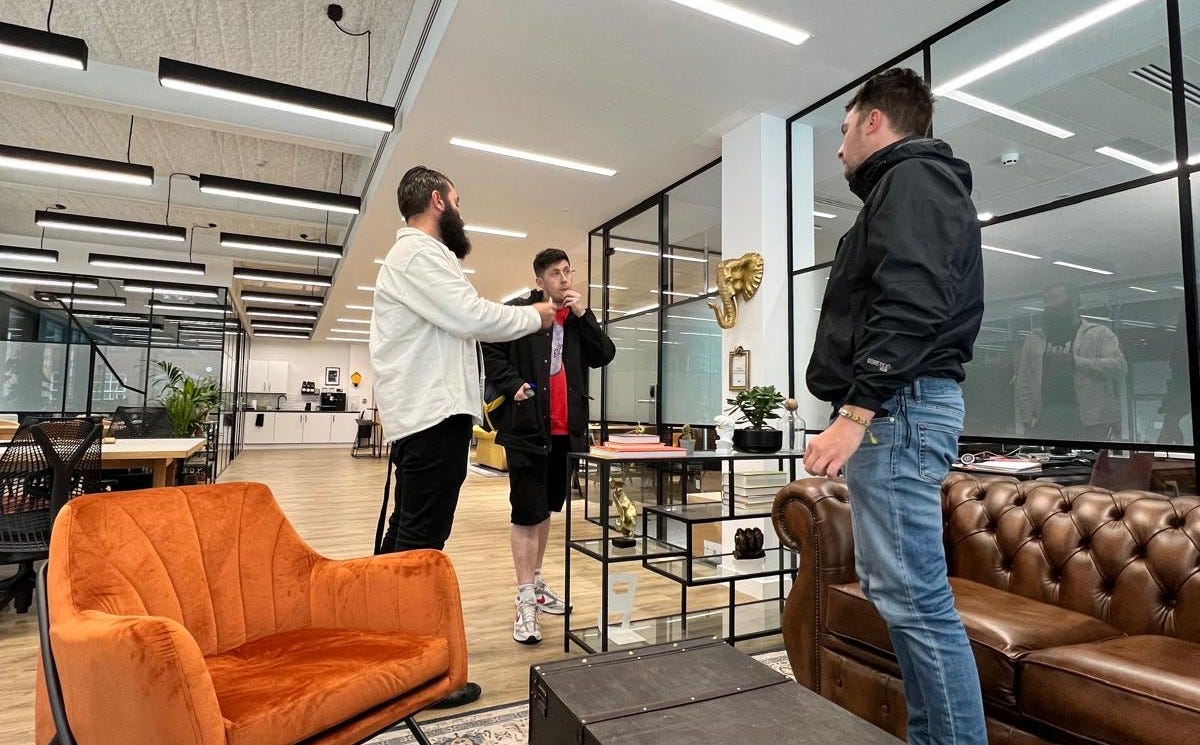
I think of this as the Graduation Economy.
The Graduation Economy is what happens when coworking communities become part of a local growth pathway. People arrive with ambition, ideas, early revenue, small teams, or simply the need to be around others who are also building. Some stay small by design. Some grow steadily within the space. Some expand, outgrow their office, and move into larger premises elsewhere in the town or city.
That should be celebrated.
A business growing beyond a coworking space is evidence that the environment helped create momentum. It means the community supported a company through a formative stage, gave it a professional home, exposed it to other ambitious people, and helped create enough confidence for the next step.
For local authorities, landlords, and economic development teams, this changes the questions worth asking.
If coworking is treated only as workspace, the questions become narrow. Occupancy, rent, lease terms, and desk sales all matter. Yet they are incomplete measures of value.
A better assessment would look at the businesses being supported, the relationships being formed, the confidence being created, and the number of companies graduating into larger premises nearby.
Confidence Is Part of the System
Confidence is not a soft metric when you have spent time around entrepreneurs.
Most early stage business growth involves uncertainty. Founders are constantly making decisions with incomplete information. They are trying to keep themselves moving forward before the full picture is visible, even to them.
Being around other people doing the same thing helps.
No, that does not remove the risk. It does not make weak businesses strong by magic. But it does normalise the act of building. It makes ambition less lonely. It gives people access to practical conversations that can change the trajectory of a business.
Sometimes the value is simply seeing someone else a few steps ahead. Someone in the same building has dealt with a problem you are now facing, won the kind of client you are trying to win, or made the kind of decision you have been avoiding. That proximity can change how a founder reads their own situation.
Local ecosystems compound through these small interactions.
They rarely compound because of one beautifully designed building, although design matters. They compound because people repeatedly come into contact with other people who expand their sense of what is possible and help them act on it.
The High Street After Hybrid Work
This is where high street coworking has become more relevant.
Hybrid work has redistributed economic activity.
The old assumption that knowledge workers must travel into major city centres five days a week has weakened. Sure, many people still value cities, networks, culture, customers, and great offices. But many people also now spend more of their working week closer to where they live.
That shift creates an opening for towns and smaller cities.
A town centre can become a place where people build businesses during the day, meet clients, attend events, hire talent, and form relationships. Those activities give the high street a different kind of economic life.
A high street coworking space has to offer more than a convenient alternative to the commute. Convenience may get someone through the door once. Community is what makes the space matter.
Operators such as Patch and Foundry are interesting because they are building around this broader idea.
Patch talks about creating opportunities for people, work, and communities on every UK high street.
Foundry positions itself around freelancers, startups, established businesses, and local business community, including locations outside the biggest traditional office markets.
The details of each operator will differ, and each town will need its own version of the model. The broader pattern is worth paying attention to.
Coworking is moving closer to where people live, and in doing so it has the potential to become part of the civic and economic life of places that have often been treated as secondary to major city centres.
The Role of Local Authorities
This should matter to local authorities.
Many councils are trying to solve difficult problems with limited budgets. They are dealing with empty space, changing work patterns, pressure on services, and the need to show credible economic growth. They are also expected to support entrepreneurship while making town centres feel active again.
Too often, these responsibilities sit in separate boxes.
The regeneration team thinks about buildings.
The economic development team thinks about business support.
The property team thinks about leases.
The inward investment team thinks about employers.
The skills team thinks about training.
The planning team thinks about use classes.
Entrepreneurs experience the local economy more practically.
They need a place to work, people to learn from, useful relationships, access to customers, and a reason to believe they are building in the right environment.
A strong coworking community can sit at the intersection of those needs.
This does not mean every council should become a coworking operator. In most cases, they probably should not. Operating a community is a specialist skill. It requires hospitality, sales, programming, local knowledge, brand, management discipline, and commercial accountability. A space can look good on opening day and still fail if nobody knows how to animate it.
Local authorities can be better partners.
They can back capable operators, bring landlords and investors into the conversation, use public assets more creatively, and direct business support into places where entrepreneurs already gather. In some cases, they can subsidise access for people who would benefit from being inside a stronger entrepreneurial ecosystem.
Most importantly, they can start treating coworking communities as local economic platforms.
Why Landlords Should Pay Attention
This matters for landlords and investors too.
A coworking operator with a strong community is doing more than leasing space from a building owner. They are creating demand, relationships, events, local relevance, and business formation. They are increasing the building’s connection to the local economy.
In weaker town centre assets, that may be the difference between a building that sits outside the life of the town and a building that becomes part of its daily rhythm.
The best operators understand that this is about more than aesthetics. Hospitality matters. Design matters. Technology matters. Management matters. Brand matters.
But all of it has to support the creation of human momentum.
A beautiful coworking space with no community is still just a nicer room.
A strong coworking community can make an imperfect building feel alive.
Every Town Already Has Ambitious People
This is where the argument for high street coworking comes back to people.
A healthy coworking community gives local ambition somewhere to gather, become visible, and move through the wider economy. Some members will stay for years. Some will grow beyond the space. Some will become customers, collaborators, mentors, or examples for the next person trying to build something.
That movement is part of the value.
When people talk about town centre regeneration, they often talk about bringing life back. Usually that means footfall, retail activity, events, cafés, culture, and public realm.
All of that certainly matters.
Economic life is also built through ambition becoming organised.
Every town already has ambitious people.
Some are visible in the local business community. Others are working in stealth mode, testing ideas, building on the side, or looking for the right environment to take the next step.
The work is to make that ambition more visible, more connected, and more likely to succeed.
That requires a more patient view of coworking. It cannot be judged only by launch occupancy, desk sales, or fit-out photography. The real evidence appears over time, in the businesses that grow, the relationships that form, the confidence that spreads, and the companies that eventually need more space than the community can provide.
I still think about Jack’s company outgrowing Bold.
There was pride in seeing the business grow, and frustration that there was not more space available for the next stage. Those mixed emotions say a lot about what coworking can become.
For local authorities, landlords, investors, and operators, the opportunity is to create communities strong enough that members grow beyond the original container, then build local pathways that allow them to keep growing nearby.
A town that understands this will think differently about its vacant buildings.
It will start seeing them as possible homes for ambition that is already there, waiting for the right environment to make it more visible, more connected, and more likely to succeed.
High street coworking matters because every town already has people trying to build something, and many of them would go further if the place around them made growth feel a little less isolated.